What Makes Polish Comfort Food Perfect for Cold Weather?
Polish comfort food is perfect for colder weather because it focuses on warm, filling, and slow-cooked dishes that bring both energy and comfort. I always notice how quickly my cravings change once temperatures drop. Suddenly, soups, stews, and baked dishes feel far more appealing than light summer meals. Polish cuisine naturally fits that seasonal shift.
One of the strongest characteristics of Polish comfort food is its simplicity. Many recipes use basic ingredients like potatoes, cabbage, meat, and dairy, but transform them into deeply satisfying meals. The cooking methods often involve long simmering or baking, which enhances flavor. That slow preparation creates warmth in every bite.
Another reason these dishes feel comforting is their connection to tradition. Many recipes are passed down through generations and tied to family gatherings or cold winter evenings. Eating them often feels nostalgic even for visitors. Warm meals bring emotional comfort as much as physical warmth.
Finally, portion sizes tend to be generous. Polish meals are designed to keep you full and energized during long, cold days. That makes them ideal when the weather turns chilly and you need something hearty and satisfying.
Pierogi – Poland’s Most Iconic Comfort Food
Why Are Pierogi So Popular?
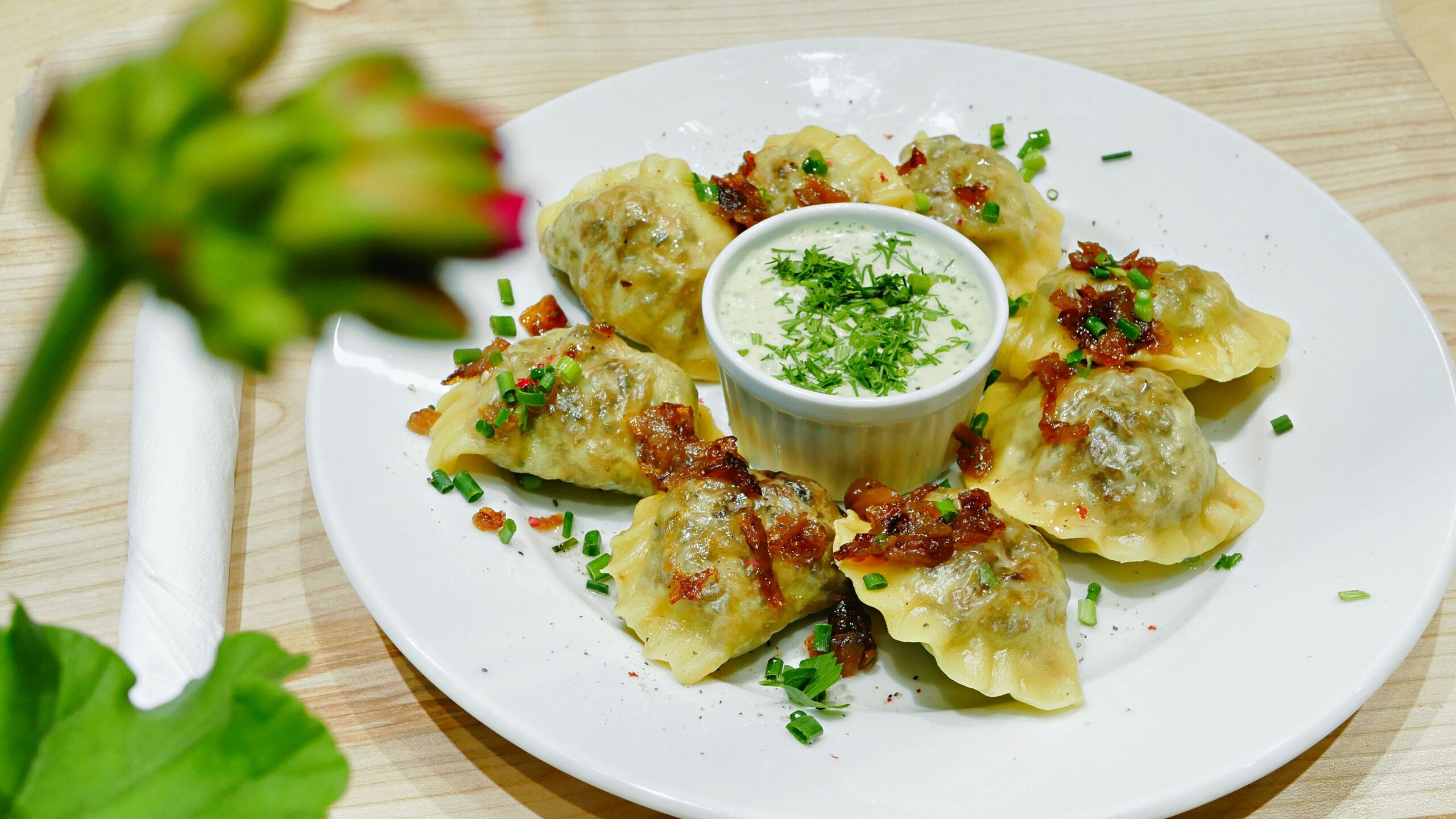
Pierogi are one of the most iconic Polish comfort foods because they combine simple dough with a wide variety of flavorful fillings. I still remember my first bite of freshly cooked pierogi in Krakow, served with butter and onions. The combination of soft texture and rich filling makes them incredibly satisfying. They are both comforting and versatile.
There are many different types of pierogi, ranging from savory to sweet. Traditional fillings include potato and cheese, cabbage and mushrooms, or minced meat. Sweet versions often include fruits like blueberries or strawberries. That variety makes them suitable for any time of day.
Popular pierogi fillings include:
- Potato and cottage cheese
- Sauerkraut and mushrooms
- Ground meat
- Seasonal fruits
They are usually boiled and sometimes lightly fried afterward for extra texture. Many restaurants serve them with sour cream or fried onions on top. Pierogi feel like homemade comfort no matter where you eat them. They are a must-try when exploring Polish cuisine.
Żurek – The Hearty Sour Soup
What Makes Żurek Unique?
Żurek is a traditional Polish sour rye soup that stands out because of its distinctive flavor and warming qualities. I was surprised the first time I tried it, as the sour taste is unlike most other European soups. However, it quickly became one of my favorite cold-weather dishes. It feels both rich and refreshing at the same time.
The soup is usually made with fermented rye flour, sausage, potatoes, and hard-boiled eggs. Some versions are served in bread bowls, which makes the experience even more enjoyable. The combination of ingredients creates a deep, complex flavor profile. It’s especially popular during Easter but enjoyed year-round.
Key ingredients in żurek:
- Fermented rye starter
- Sausage (often kielbasa)
- Boiled eggs
- Potatoes
What makes it ideal for cold weather is its warming effect and hearty texture. It’s filling enough to serve as a full meal. The soup feels deeply warming on cold autumn or winter days. It’s a perfect example of Polish comfort food at its best.
Bigos – Hunter’s Stew
Why Is Bigos Considered a Winter Dish?
Bigos, often called hunter’s stew, is considered a winter classic because it combines slow-cooked cabbage, meats, and spices into a rich and hearty dish. I first tried it at a family-style restaurant, and the depth of flavor surprised me. Every bite felt different due to the mix of ingredients. It’s a dish that improves with time.
The preparation of bigos often involves multiple types of meat, including sausage, pork, or beef. Sauerkraut and fresh cabbage are slowly simmered together to create a tangy base. The longer it cooks, the richer the flavor becomes. Some families even prepare it over several days.
Typical ingredients include:
- Sauerkraut and cabbage
- Mixed meats and sausage
- Mushrooms
- Spices like bay leaf and pepper
Bigos is traditionally served with bread or potatoes. It is perfect for large portions and family gatherings during cold months. Slow cooking enhances flavor depth and makes the dish even more satisfying. It represents Polish comfort food at its most traditional.
FAQ
What is the most popular Polish comfort food?
Pierogi are considered the most popular and widely recognized Polish comfort food.
Is Polish food heavy?
Many traditional dishes are hearty and filling, especially those designed for colder weather.
What soup should I try first in Poland?
Żurek is a great starting point because it is unique, warming, and widely available.
Are Polish comfort foods expensive?
No, most traditional dishes are affordable and widely available in restaurants and milk bars.
Can vegetarians enjoy Polish cuisine?
Yes, options like cheese pierogi or vegetable soups are commonly available.
Taste the Warmth of Poland
As the weather cools down, Polish comfort food becomes even more inviting. From warm pierogi to hearty bigos and sour żurek, each dish offers both flavor and tradition. Try them in local restaurants or cozy cafés and experience how Polish cuisine turns simple ingredients into unforgettable comfort.