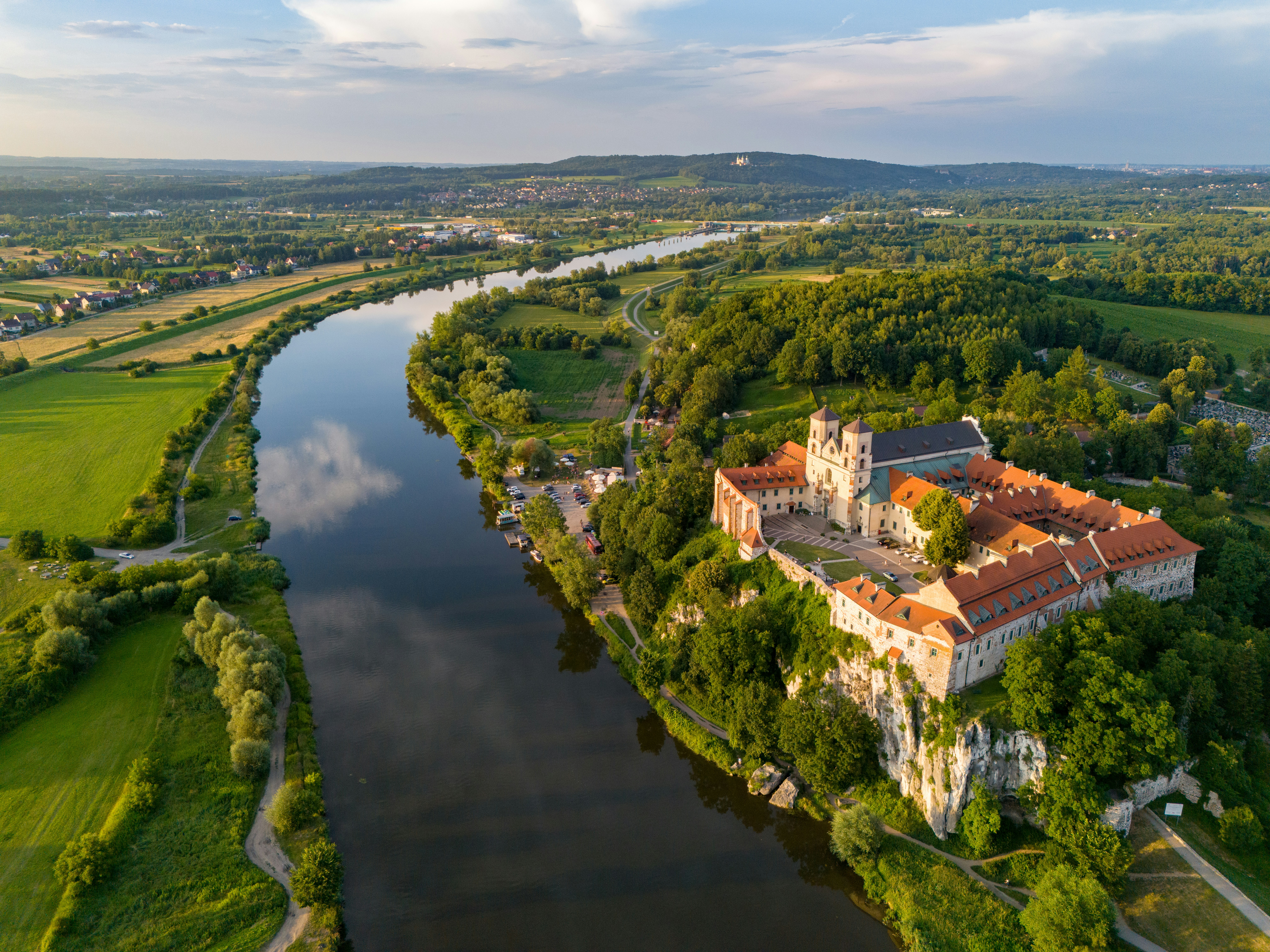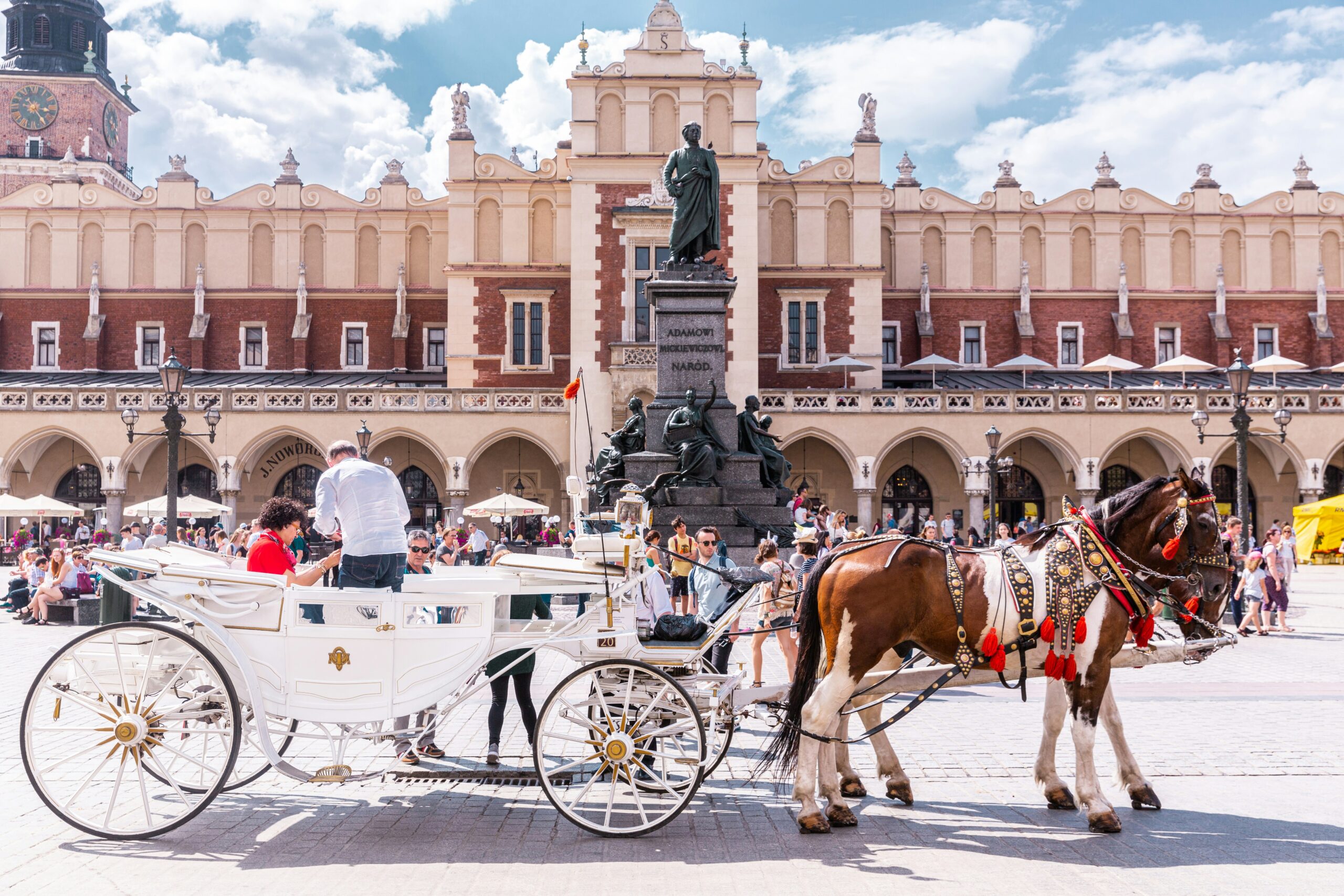
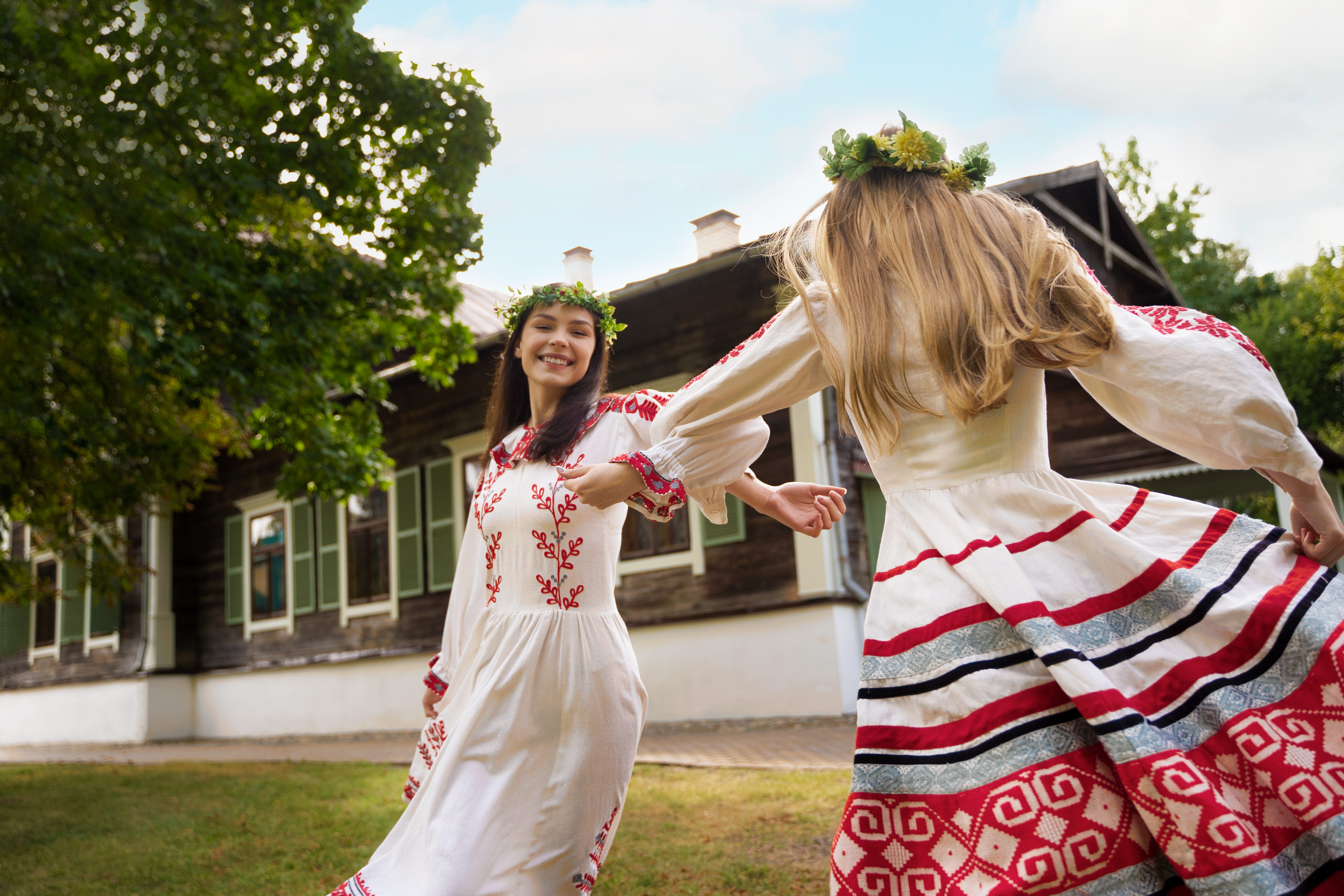
Traveling sustainably in Poland is easier than many people think. I’ve noticed that small choices — taking trains, supporting local businesses, or avoiding plastic waste — can make a huge difference without ruining the trip. Poland offers national parks, eco-friendly cities, and slow-travel experiences that naturally encourage responsible tourism. The key is to travel consciously while still enjoying the culture, food, and landscapes.
Why Sustainable Travel Matters in Poland
Overtourism affects local communities
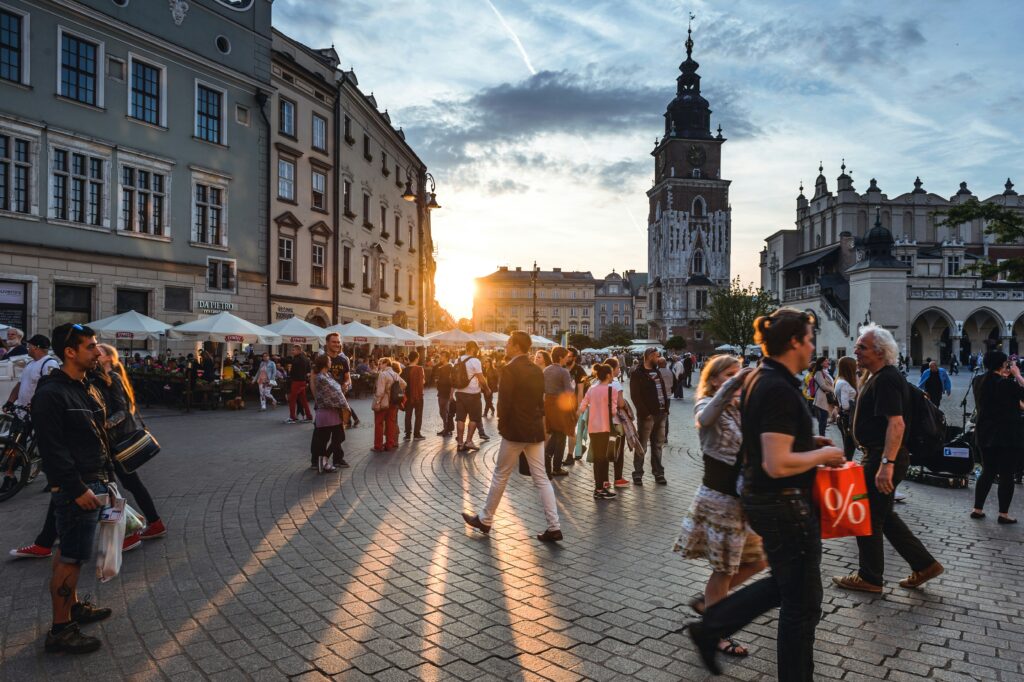
Sustainable travel means reducing the negative impact tourism can have on nature and residents. In popular places like Kraków or Zakopane, too many tourists can increase pollution, traffic, and waste. I’ve seen beautiful streets become overcrowded during peak season, which changes the atmosphere for locals and visitors alike. Choosing responsible options helps preserve these places for the future.
Poland has incredibly diverse ecosystems, from the forests of Białowieża Forest to the beaches along the Baltic coast. Many natural areas are protected, but they still suffer from littering and excessive tourism. Even simple habits like staying on marked trails matter more than people realize. Nature recovers slowly when millions of tourists visit each year.
Sustainable tourism also supports local economies more fairly. Instead of spending money in global hotel chains, I prefer family-run guesthouses and regional restaurants. The experience feels more authentic, and the money stays within the community. It creates a better connection with the culture.
Responsible travel is also about respect. Learning a few Polish phrases, following local customs, and understanding regional traditions can completely change the travel experience. Tourists who engage thoughtfully are usually welcomed much more warmly.
How to Travel Around Poland Sustainably
Public transport is the best option
The easiest way to reduce your environmental impact in Poland is by using public transportation. Poland has an extensive rail network connecting cities like Warsaw, Gdańsk, and Wrocław. I often choose trains because they are comfortable, affordable, and far less polluting than domestic flights.
In larger cities, trams and buses work surprisingly well. Buying a daily transport ticket is usually cheaper and more convenient than using taxis. Many urban centers are also highly walkable, especially historic districts. Walking allows me to discover cafés and hidden streets I would otherwise miss.
Cycling is becoming increasingly popular across Poland. Cities now offer bike-sharing systems and dedicated cycling paths. Coastal routes and countryside trails are especially scenic during spring and summer. Renting a bike for a day can completely transform the pace of a trip.
Here are the most eco-friendly transport choices:
- Trains instead of domestic flights
- Public buses and trams
- Walking in city centers
- Bike rentals and bike-sharing apps
Choosing Eco-Friendly Accommodation
Small local stays are often better
Eco-friendly accommodation doesn’t always mean expensive eco-resorts. In Poland, many smaller hotels and guesthouses already use sustainable practices like recycling, renewable energy, and locally sourced food. I usually look for places that openly describe their environmental policies before booking.
Agrotourism farms are one of the best sustainable options in rural Poland. Staying in the countryside supports local families and reduces pressure on crowded tourist hubs. The food is often homemade, seasonal, and far fresher than in large resorts. It also creates a slower, more meaningful travel experience.
Location matters more than many travelers realize. Staying near public transport reduces the need for cars and taxis. I often book accommodation within walking distance of train stations or city centers. It saves both time and emissions.
When choosing accommodation, I check for:
- Recycling and waste reduction
- Refillable toiletries
- Energy-saving systems
- Local or organic breakfasts
- Eating and Shopping Responsibly
- Local products reduce environmental impact
Eating local food is one of the easiest sustainable travel habits. Poland has strong regional culinary traditions, and local ingredients usually travel shorter distances. Markets and small restaurants often serve fresher meals than tourist-focused chains.
I try to avoid excessive food waste while traveling. Ordering smaller portions first and carrying a reusable container can help surprisingly much. Poland’s food portions are often generous, especially in traditional restaurants. Finishing meals instead of wasting them is part of responsible tourism too.
Shopping locally also supports artisans and regional producers. Handmade ceramics, wool products, and traditional foods are much better souvenirs than mass-produced imports. They also preserve local craftsmanship and culture.
A few easy sustainable habits include:
- Carrying a reusable water bottle
- Avoiding single-use plastics
- Buying from local markets
- Choosing seasonal dishes
FAQ
Is Poland good for sustainable tourism?
Yes. Poland offers excellent public transport, protected natural areas, and many local businesses that support responsible tourism.
What is the greenest way to travel across Poland?
Trains are usually the most eco-friendly and practical option for long-distance travel between major cities.
Are eco-friendly hotels common in Poland?
They are becoming more common, especially in larger cities and rural tourism regions focused on nature experiences.
Can sustainable travel also save money?
Absolutely. Public transport, local food, and smaller guesthouses are often cheaper than luxury tourist options.
Ready to explore Poland responsibly?
Traveling sustainably doesn’t mean giving up comfort or fun. In my experience, eco-friendly travel in Poland creates deeper experiences, better local connections, and more memorable trips. Start small, travel slower, and enjoy Poland in a way that respects both nature and local communities.