
Why Do Physical Hobbies Reduce Stress?
Physical hobbies help reduce stress because they shift your attention away from everyday pressure and into the present moment. I noticed this myself after trying more active ways to relax instead of scrolling through my phone after work. Activities that involve movement naturally release tension stored in the body. They also help your brain slow down and focus on something enjoyable.
One of the biggest problems with stress is mental overload. When work, notifications, and responsibilities pile up, it becomes difficult to disconnect. Physical hobbies create a healthy break from constant thinking. Even a short activity session can improve mood and energy levels.
Science supports this connection between movement and relaxation. Exercise encourages the release of endorphins, which are chemicals linked to positive emotions. At the same time, active hobbies can lower cortisol, the hormone associated with stress. The result feels surprisingly calming even after intense movement.
Many people assume stress relief has to involve meditation or silence, but that’s not always true. Some people relax best through action, competition, or learning new skills. That’s why hobbies like climbing, boxing, or axe throwing are becoming increasingly popular. They combine excitement with emotional release.
Why Is Axe Throwing So Relaxing?
The Power of Focus and Repetition
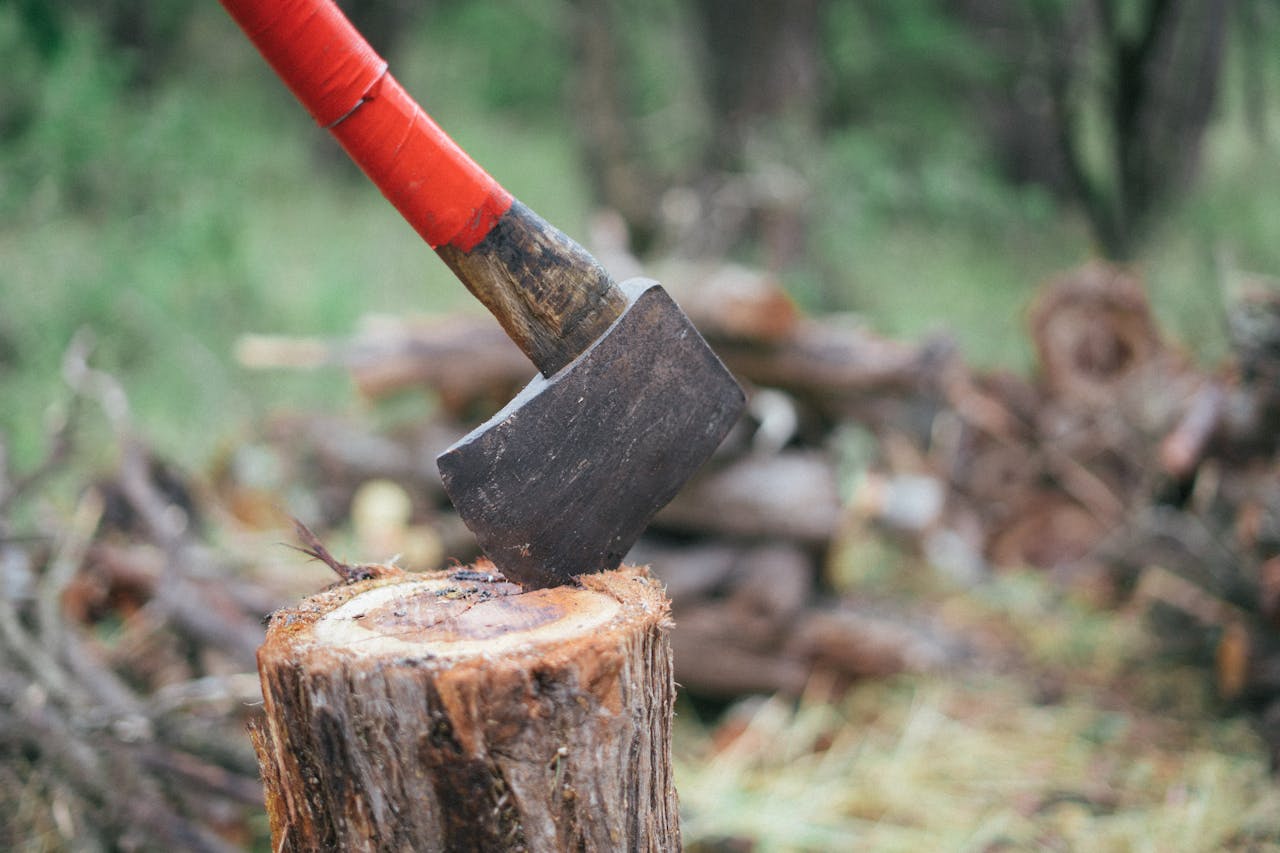
Axe throwing helps people unwind because it requires concentration and physical engagement at the same time. The moment I threw my first axe, I stopped thinking about emails, deadlines, and everyday worries. Your attention naturally shifts toward balance, movement, and hitting the target. That mental reset feels refreshing almost immediately.
The repetitive motion also has a calming effect. Similar to darts or archery, the activity creates rhythm and focus. Instead of multitasking, you focus on one simple goal. For many people, that kind of concentration becomes surprisingly therapeutic.
There’s also something satisfying about the physical action itself. Releasing built-up tension through movement can improve mood quickly. After a stressful week, throwing axes felt more effective for me than sitting on the couch watching TV. It combines adrenaline with relaxation in a unique way.
Another reason axe throwing works is that it’s social without being overwhelming. You can laugh, compete, and spend time with friends while still concentrating on the activity. That balance between fun and focus creates a strong stress-relief effect. It feels active but never exhausting.
Why Axe Nation Stands Out
A Fun and Safe Environment
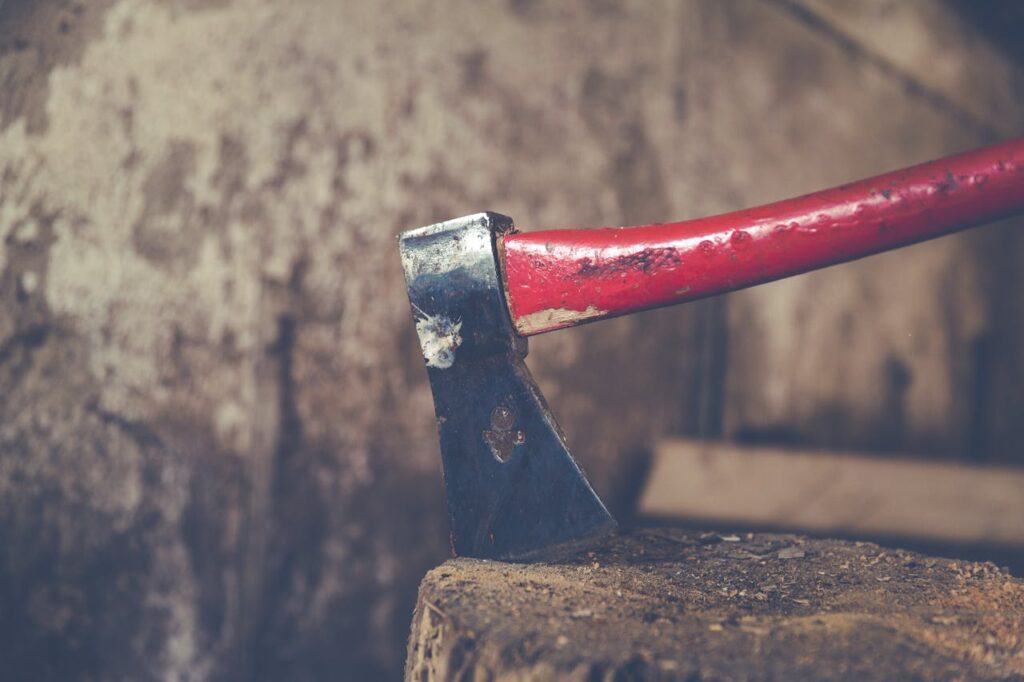
Axe Nation club is a great example of how modern recreational spaces can help people relax. The atmosphere is energetic and welcoming, even for complete beginners. When I first visited, I expected something intimidating, but it turned out to be easygoing and surprisingly beginner-friendly. The instructors explained everything clearly and made the experience comfortable.
Safety is also a major part of the experience. Before throwing, participants learn proper techniques and rules. That structure helps people feel confident quickly. Once you understand the basics, the activity becomes much more enjoyable.
What makes places like Axe Nation appealing is the combination of entertainment and emotional release. Instead of passive relaxation, you actively engage your body and mind. Many visitors come not only for fun but also to disconnect from stress. It creates an experience that feels memorable rather than routine.
The club also works well for groups and social events. Popular options include:
- Birthday parties
- Team-building events
- Date nights
- Weekend outings with friends
That social energy adds another layer to the stress-relief experience. Spending time with others while trying something new often improves mood naturally. Even people who feel skeptical at first usually end up enjoying it.
How to Choose the Right Stress-Relief Hobby
Choosing the right hobby depends on your personality and lifestyle. Some people relax through calm activities, while others need movement and excitement. I realized that active hobbies helped me recharge faster because they interrupted my usual routine. Trying different options is the best way to discover what works for you.
A good stress-relief hobby should feel enjoyable rather than forced. If an activity starts feeling like another obligation, it loses its benefit. The best hobbies create anticipation instead of pressure. You should leave feeling lighter, calmer, or more energized.
Here are a few hobbies worth exploring:
- Axe throwing
- Hiking
- Dance classes
- Rock climbing
- Martial arts
The key is consistency rather than perfection. Even one hour a week can make a noticeable difference in stress levels. Small breaks improve mental balance more than many people realize. Over time, hobbies become an important part of emotional well-being.
FAQ
Is axe throwing safe for beginners?
Yes, most clubs provide safety instructions and supervision before you begin.
Does axe throwing really help with stress?
For many people, yes. The combination of focus, movement, and fun can reduce mental tension.
How long does a typical session last?
Most sessions last between one and two hours, depending on the venue and group size.
Can I go alone?
Absolutely. Many people visit axe throwing clubs solo or join group sessions.
Are physical hobbies better than passive relaxation?
It depends on the person, but active hobbies often provide stronger mental reset and emotional release.
Looking for a New Way to Relax?
If traditional stress-relief methods aren’t working for you, it may be time to try something more active. Physical hobbies like axe throwing offer focus, movement, and genuine fun in one experience. Visit Axe Nation club, step outside your routine, and discover how exciting stress relief can actually feel.