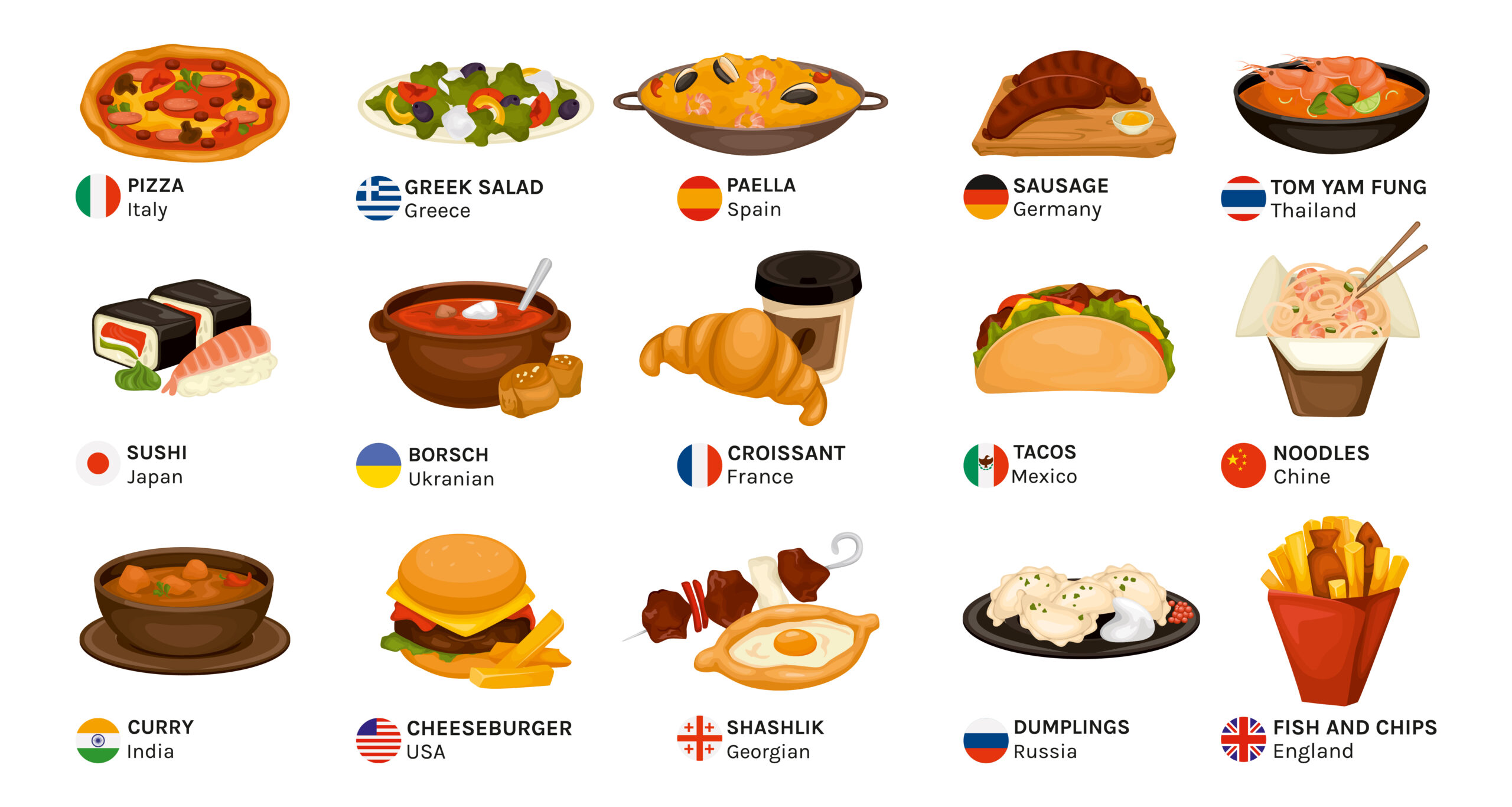
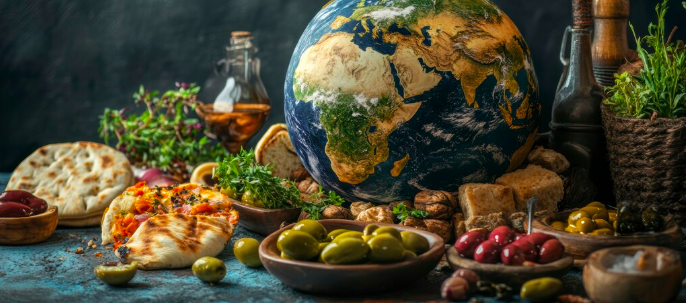
Food offers a gateway to understanding cultures, history, and human connection. Exploring the world through food allows travelers and enthusiasts to experience global traditions and emerging culinary trends. From street vendors to fine dining, each dish tells a story and reflects local culture. Culinary journeys combine fun, sensory experiences, and cultural insight, turning every meal into a learning adventure. Tasting global flavors provides not only nourishment but also a deep connection to people and places. This approach to travel and gastronomy transforms ordinary dining into unforgettable exploration.
How does food reveal cultural traditions?
Food reveals cultural traditions by reflecting the history, geography, and social practices of a community. Traditional dishes often carry stories about festivals, rituals, and family customs. Understanding these foods provides a lens into the values and daily life of a culture.
Regional ingredients shape flavors and preparation methods. For example, Mediterranean cuisine emphasizes olive oil and fresh vegetables, while Southeast Asian dishes feature spices and aromatic herbs. These ingredients define both taste and cultural identity.
Recipes are passed down through generations, preserving heritage and local techniques. Festivals and celebrations often center around specific foods, creating shared experiences that reinforce social bonds.
Culinary traditions also evolve with modern trends. While maintaining cultural roots, many cuisines integrate new flavors or techniques, offering a bridge between past and present.
Ways food reflects culture:
- Ingredients linked to geography
- Traditional preparation methods
- Festival-centered dishes
- Generational recipe preservation
Why is global cuisine a window into history?
Global cuisine acts as a window into history because recipes and cooking methods evolve alongside migration, trade, and societal change. Each dish carries traces of historical interactions and cultural exchange, connecting people across time and borders.
Spices, cooking techniques, and ingredients often reveal trade routes. The introduction of chili peppers from the Americas transformed Asian and European dishes alike. Similarly, pasta in Italy reflects influences from Middle Eastern culinary practices.
Colonialism and migration also shaped local diets. New ingredients were introduced, and traditional dishes adapted, creating fusion cuisines that tell stories of resilience and adaptation.
Understanding historical contexts adds depth to the culinary experience. Tasting a dish becomes more than flavor; it becomes a journey through time and geography.
Historical insights through cuisine:
- Trade and ingredient exchange
- Migration and fusion dishes
- Cultural adaptation of recipes
- Reflection of societal changes
How do culinary trends shape modern dining?
Culinary trends shape modern dining by introducing innovation and creativity while respecting traditional flavors. Global trends emphasize sustainability, local sourcing, and unique experiences, influencing the way people cook and eat.
Farm-to-table practices highlight local ingredients and seasonal produce. Chefs craft menus that support sustainable agriculture while celebrating regional flavors. This trend connects diners directly with the land and its culture.
Fusion cuisine continues to gain popularity, combining techniques and flavors from multiple regions. Dishes like sushi burritos or Korean tacos reflect modern creativity while maintaining cultural authenticity.
Technology also influences food trends. Online recipes, social media, and virtual culinary events allow people to explore international flavors from their own kitchens, expanding access to global cuisine.
Key culinary trends:
- Sustainable and local ingredients
- Fusion cuisine and global flavors
- Interactive and immersive experiences
- Digital food culture
What makes food exploration a form of entertainment and fun?
Food exploration is entertaining because it combines taste, creativity, and social interaction. Culinary journeys provide memorable fun and engagement that extend beyond traditional dining.
Cooking classes and tasting tours create interactive experiences. Participants learn techniques while sampling dishes from different cultures. This hands-on approach increases enjoyment and connection.
Food also brings people together. Sharing meals and flavors fosters conversation, laughter, and teamwork in both casual and professional settings. Group dining transforms meals into social adventures.
Novelty and discovery add excitement. Trying unusual ingredients or regional specialties engages curiosity and encourages cultural exploration. Each bite becomes a story, blending fun with learning.
Ways food creates fun:
- Cooking classes and workshops
- Tasting tours and sampling
- Shared meals for social interaction
- Discovery of unique flavors
FAQ – Exploring the World Through Food
Can tasting global cuisine teach culture?
Yes, each dish reflects history, geography, and cultural traditions.
Are culinary trends important for travelers?
Absolutely, trends show modern adaptations and innovation in global cuisine.
How can food be a social activity?
Shared meals and cooking experiences foster interaction and connection.
Is exploring food safe and accessible worldwide?
Yes, guided tours, certified restaurants, and local recommendations ensure safe exploration.