Food tells stories that go far beyond taste. Iconic dishes around the world are shaped by history, geography, and evolving cultural trends. From street food to royal cuisine, each recipe reflects a unique journey through time. Understanding their origins reveals how culture and tradition influence what ends up on the plate. Exploring these stories offers a deeper appreciation of global cuisine and the connections between people and food.
How did iconic dishes shape global culture and trends?
Iconic dishes shaped global culture by reflecting history, trade, and migration patterns. These meals became symbols of identity and shared cultural heritage across generations. Over time, they evolved alongside social and economic trends.
Many well-known dishes originated from necessity rather than luxury. Ingredients were chosen based on availability, which led to creative combinations that defined regional cuisines. As trade routes expanded, spices and techniques spread, influencing new variations.
Migration also played a major role in shaping global dishes. Communities carried recipes across borders, adapting them to new environments. This process blended cultures and introduced entirely new culinary traditions.
Today, these dishes continue to influence modern food trends. They appear in restaurants worldwide, often reinterpreted in innovative ways. Despite changes, their cultural roots remain visible and meaningful.
Key influences on global dishes:
- Trade and exploration
- Migration and cultural exchange
- Local ingredients and climate
- Modern culinary trends
What are the origins of the world’s most famous dishes?
The origins of famous dishes often trace back centuries and are deeply connected to local culture. Many recipes were developed as practical solutions and later became symbols of national identity and pride. Their histories reveal surprising and sometimes humble beginnings.
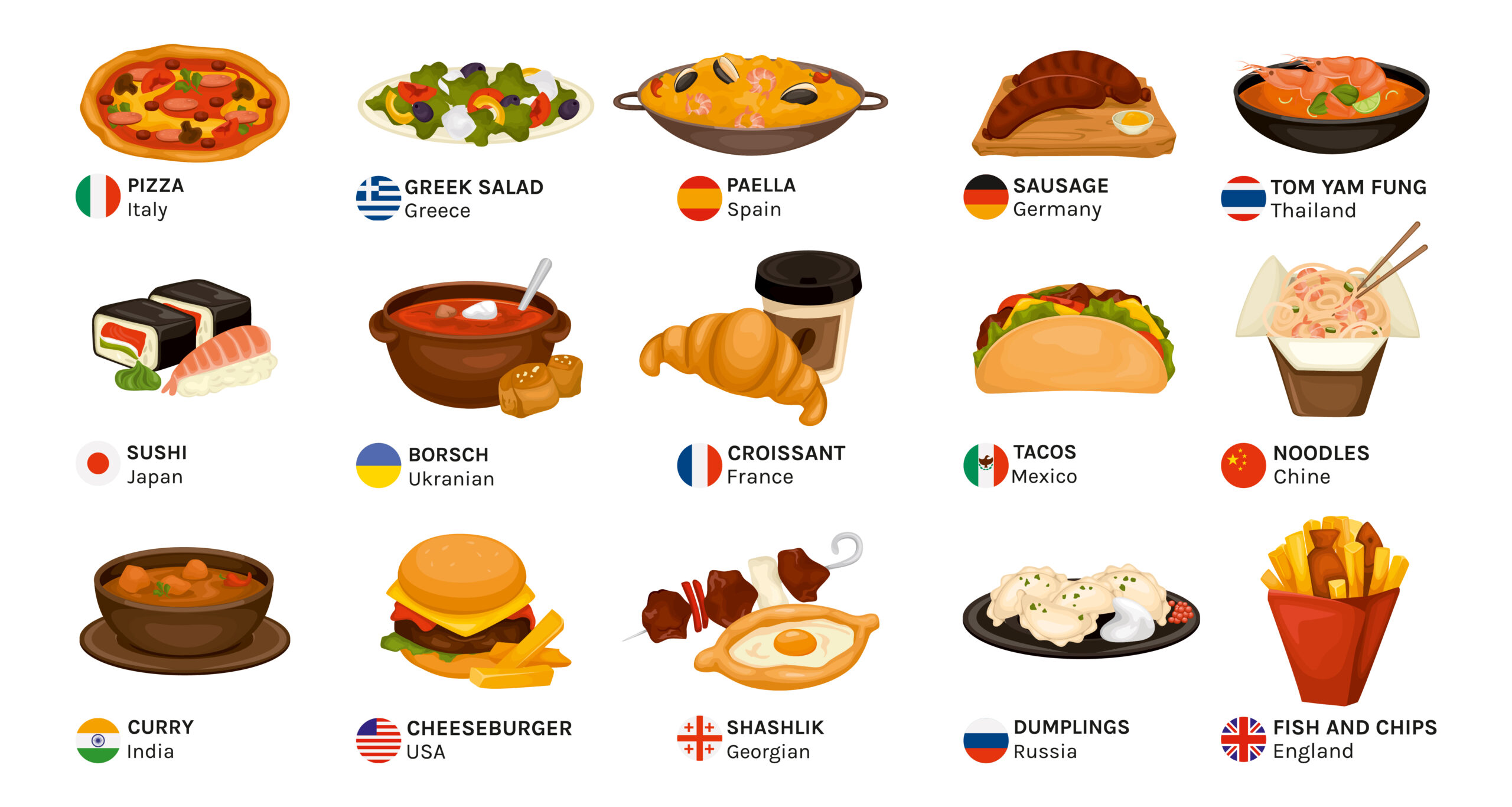
Take Pizza, which began as a simple meal for workers in Naples. Over time, it transformed into a global favorite with countless variations. Similarly, Sushi started as a preservation method before evolving into a refined culinary art.
Another example is Tacos, rooted in street food culture and built around accessibility and flavor. These dishes reflect local ingredients and traditions while adapting to changing tastes.
Understanding these origins highlights how food evolves. What begins as a simple dish can become an international phenomenon, shaped by both tradition and innovation.
Examples of iconic dishes and origins:
- Pizza – Italy
- Sushi – Japan
- Tacos – Mexico
- Curry – South Asia
How have iconic dishes evolved with modern culture?
Iconic dishes have evolved by adapting to modern tastes, technology, and global trends. While traditions remain important, innovation has introduced new flavors and creative interpretations worldwide. This balance keeps dishes relevant across generations.
Globalization has made ingredients more accessible than ever. Chefs experiment with fusion cuisine, blending elements from different cultures. This creates new versions of classic dishes while preserving their essence.
Health and sustainability trends also influence how dishes are prepared. Plant-based alternatives and eco-conscious cooking methods are becoming more common. These changes reflect shifting consumer preferences.
Social media has further accelerated this evolution. Viral food trends bring attention to both traditional and reinvented dishes. As a result, iconic meals continue to gain popularity in new and unexpected ways.
Modern influences on dishes:
- Globalization and fusion cuisine
- Health-conscious adaptations
- Social media trends
- Sustainable cooking practices
Why do iconic dishes remain relevant across generations?
Iconic dishes remain relevant because they connect people to culture, memory, and tradition. They offer a sense of familiarity while still adapting to changing trends. This combination ensures their lasting appeal.
Food is often tied to rituals and celebrations. Traditional dishes play a central role in holidays and family gatherings. These emotional connections help preserve recipes over time.
At the same time, flexibility allows dishes to evolve. New ingredients and techniques keep them interesting for younger generations. This adaptability ensures they stay part of modern culture.
Ultimately, iconic dishes serve as a bridge between past and present. They tell stories, bring people together, and continue to shape culinary trends around the world.
Reasons for lasting relevance:
- Strong cultural identity
- Emotional and social connections
- Adaptability to trends
- Global recognition
FAQ – The History of Iconic Dishes Around the World
What makes a dish iconic?
A dish becomes iconic when it represents a culture and gains widespread recognition.
Do iconic dishes change over time?
Yes, they evolve with trends, ingredients, and cultural influences.
Why is food history important?
It helps understand culture, traditions, and global connections.
Are traditional recipes still used today?
Yes, many are preserved while also adapted to modern tastes.