
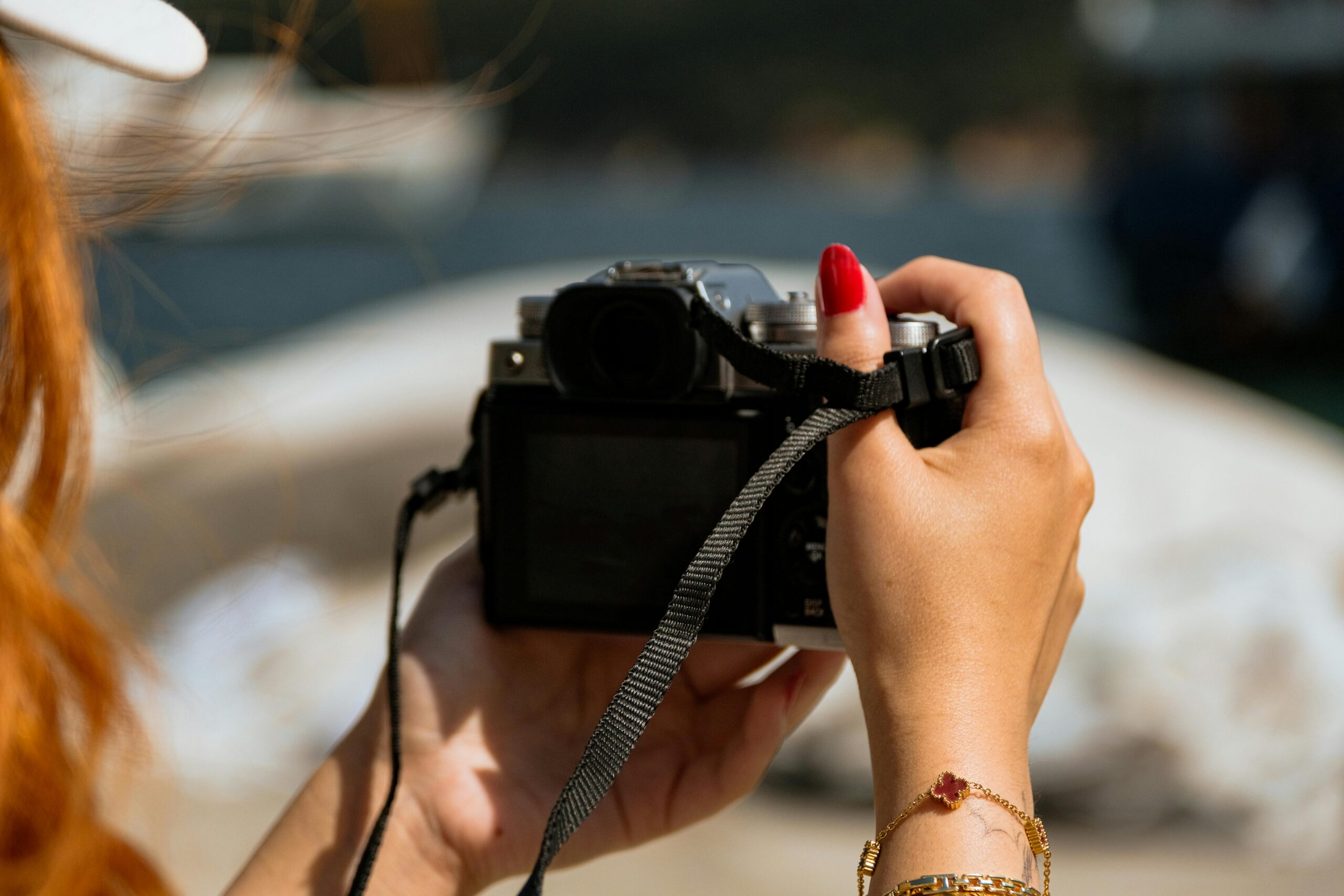
Capturing beautiful travel moments requires more than pointing a camera and pressing a button. Photography for beginners focuses on understanding light, composition, and timing to create memorable images. Emerging trends highlight mobile photography, minimal editing, and storytelling through pictures. With practice and attention to detail, beginners can turn ordinary scenes into captivating travel memories. Exploring techniques, equipment options, and creative approaches ensures that every trip yields shareable and timeless photos. Learning to observe surroundings and anticipate moments is key to producing images that truly capture the essence of travel.
1. What Are the Basics of Travel Photography for Beginners?
The basics of photography focus on understanding light, framing, and camera settings. Mastering these fundamentals ensures consistent, high-quality images.
Begin with exposure, shutter speed, and ISO settings to control how light affects the photo. Composition techniques like the rule of thirds, leading lines, and symmetry help create visually appealing images. Trends in beginner photography emphasize natural light, candid shots, and minimal post-processing for authenticity.
- Key fundamentals: Exposure, composition, focus, framing
- Techniques to try: Rule of thirds, leading lines, negative space
- Tools: Beginner-friendly DSLR, mirrorless, or smartphone camera
By mastering the basics, beginners can consistently capture well-exposed, clear, and engaging travel photographs.
2. How to Choose the Right Camera or Device?
Selecting the right camera or device depends on skill level and travel style. Smartphones, entry-level DSLRs, and mirrorless cameras all offer options for beginners.
Smartphones are convenient, portable, and equipped with advanced features for quality travel photography. Entry-level cameras allow more control over settings and offer interchangeable lenses for versatility. Trends show growing use of mirrorless cameras due to their compact size, high quality, and adaptability.
- Device options: Smartphone, DSLR, mirrorless
- Considerations: Portability, battery life, lens variety
- Tips: Match device to travel type and photo goals
Choosing the appropriate equipment ensures that technical limitations do not hinder creativity and allows beginners to focus on composition and storytelling.
3. How Can Composition Improve Travel Photos?
Composition transforms ordinary photos into compelling images. Intentional framing and subject placement create depth and visual interest.
Techniques like the rule of thirds, natural frames, and leading lines guide viewers’ eyes through the image. Capturing movement, reflections, or layers adds dynamic storytelling elements. Trends highlight minimalism, symmetry, and creative angles for fresh, modern travel photos.
- Techniques to experiment: Perspective shifts, symmetry, framing with objects
- Tips: Include foreground, middle ground, and background
- Tricks: Use natural light and shadows for emphasis
Good composition makes travel photos visually engaging, encouraging viewers to explore the scene and experience the moment.
4. What Role Does Lighting Play in Travel Photography?
Lighting is one of the most critical aspects of photography. Natural light, golden hours, and shadows dramatically affect mood and quality.
Early morning and late afternoon provide soft, warm light ideal for travel shots. Overcast days offer even lighting that reduces harsh shadows. Trends emphasize using natural light creatively rather than relying heavily on filters or artificial enhancements.
- Best times to shoot: Sunrise, sunset, overcast afternoons
- Techniques: Backlighting, side lighting, silhouettes
- Tips: Adjust exposure to avoid blown-out highlights
Understanding and manipulating light ensures photos are vibrant, balanced, and emotionally resonant, capturing the atmosphere of the destination.
5. How to Capture Unique and Memorable Moments?
Capturing memorable moments requires observation, patience, and creativity. Candid shots, local interactions, and unique perspectives make travel photography stand out.
Focus on storytelling by photographing daily life, street scenes, or cultural events. Experiment with angles, reflections, and close-ups to highlight details. Trends show that authentic, spontaneous images resonate more than posed or overly edited photos.
- Ideas for shots: Street life, landscapes, local markets, cultural performances
- Tips: Engage with locals, explore offbeat locations, anticipate movement
- Tricks: Capture emotions and small details for impactful storytelling
Emphasizing unique perspectives and authentic moments ensures that each photo tells a story and becomes a lasting memory. For photographers visiting Kraków, axe throwing ranks among the most visually dynamic attractions in Cracow — raw motion, focused expressions, and dramatic action all in one frame.
Frequently Asked Questions
Q1: Can beginners take professional-looking travel photos?
Yes, understanding light, composition, and framing allows beginners to capture high-quality images.
Q2: Which camera is best for travel photography beginners?
Smartphones, entry-level DSLRs, and mirrorless cameras are all effective depending on skill level and travel needs.
Q3: How does lighting affect photos?
Natural light, golden hours, and creative use of shadows dramatically influence mood and clarity.
Q4: What composition techniques are best for beginners?
Rule of thirds, leading lines, and framing enhance depth and visual appeal.
Q5: How to capture unique travel moments?
Focus on candid shots, local interactions, and creative perspectives to tell memorable stories.
CTA: Start practicing photography for beginners today and capture breathtaking travel moments that tell unforgettable stories.