Starting a new hobby can be one of the most exciting and fulfilling experiences. Whether you’re looking for a way to relieve stress, discover a hidden talent, or simply try something new, the process of finding a hobby that sparks joy and interest is a journey in itself. However, with so many options available, it can be overwhelming to figure out where to begin. Don’t worry—this guide will provide you with helpful tips on how to find the new hobby that’s right for you.
1. Reflect on Your Interests and Passions
The first step in discovering a new hobby is to think about what truly excites you. What are you naturally drawn to? Do you find yourself constantly reading about a particular subject, or are there activities that you’ve always wanted to try? By reflecting on your interests, you can narrow down your options and explore hobbies that align with your passions.
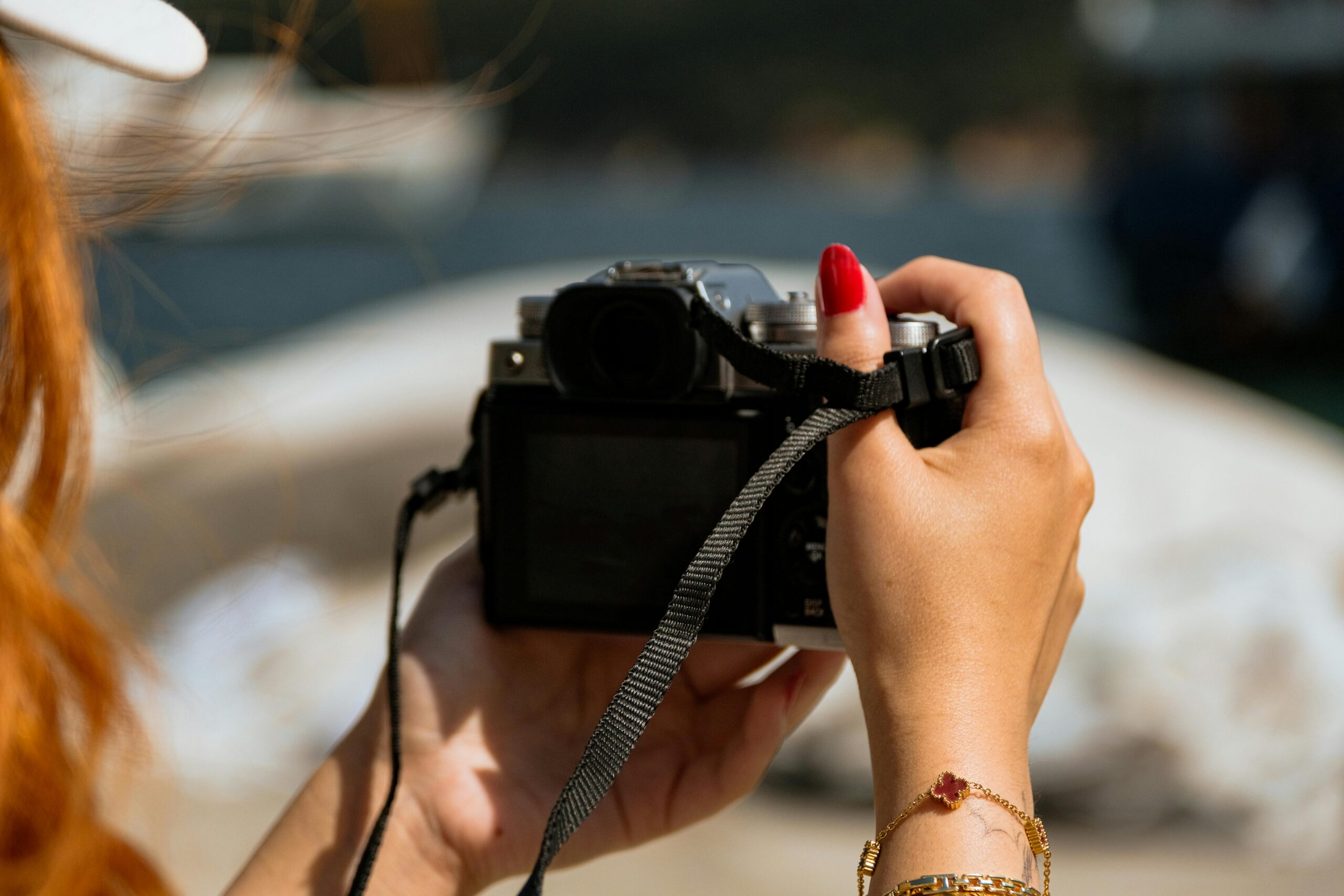
For example, if you love nature and being outdoors, you might enjoy hiking, bird watching, or gardening. If you have an interest in art, you might consider taking up painting, photography, or pottery. The key is to choose something that feels inspiring, and not just trendy or popular.
2. Experiment with a Variety of Activities
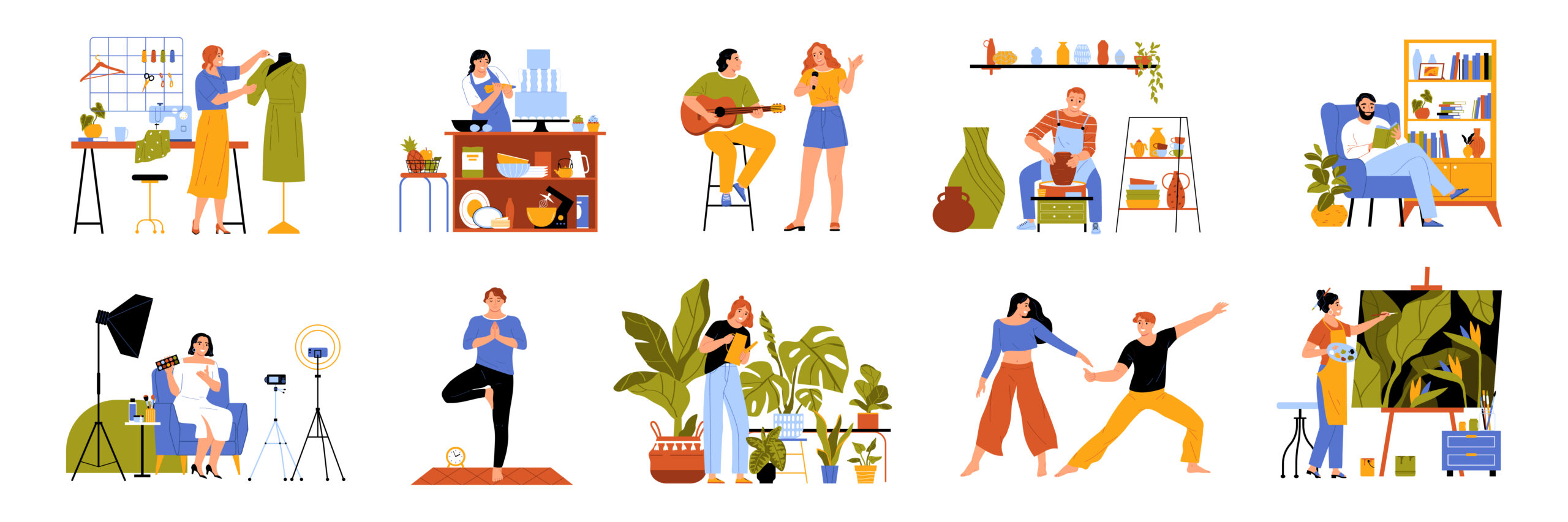
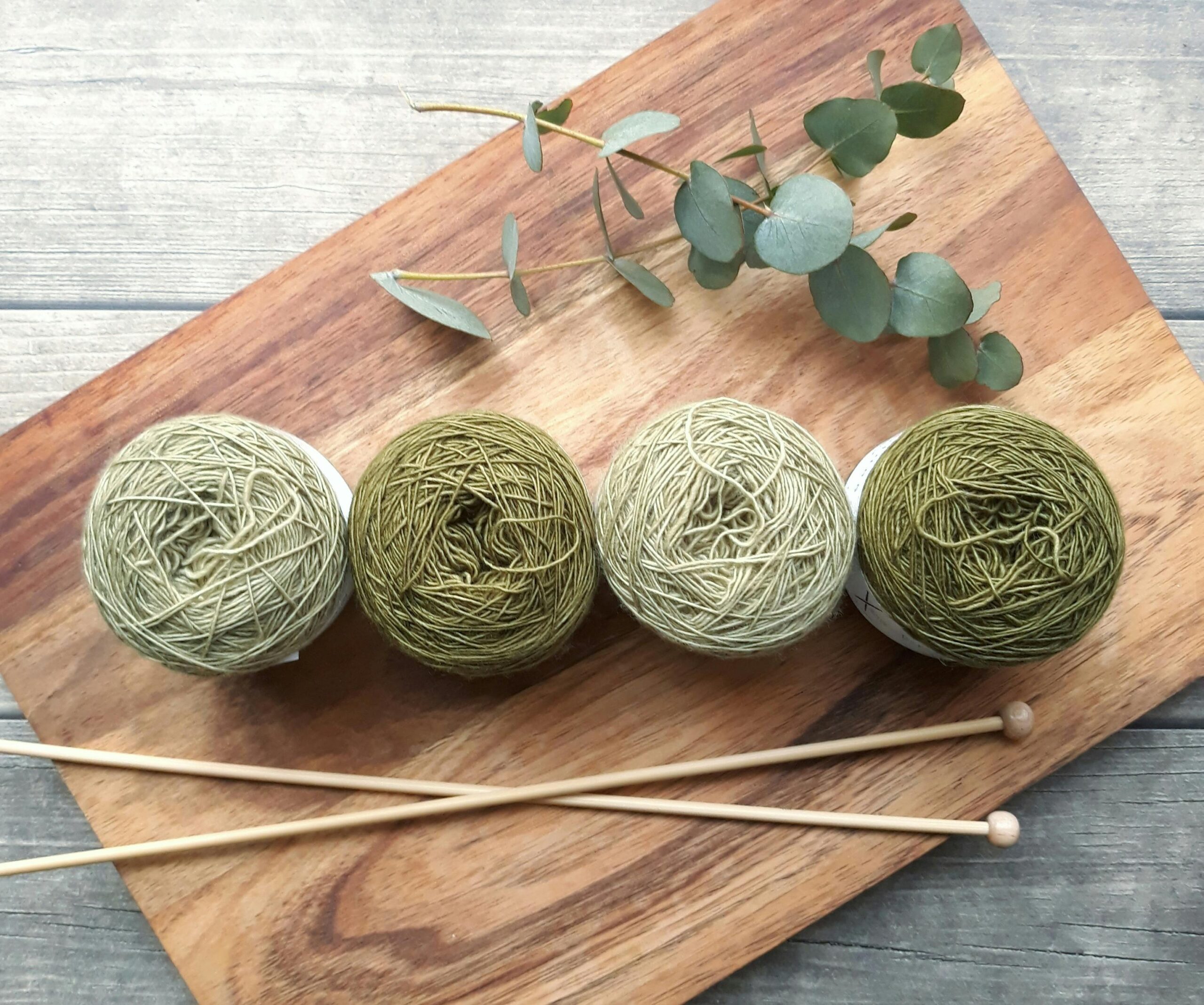
While it’s great to have an idea of what you’re interested in, sometimes the best way to find your new hobby is to try different things. The possibilities are endless—ranging from creative endeavors like knitting or cooking to more active pursuits like cycling or yoga. You don’t have to commit to anything right away; give yourself permission to explore and experiment.
Join a local class or workshop, or check out online tutorials and resources. By actively engaging in various activities, you’ll discover which ones resonate with you the most and leave you feeling energized.
3. Think About the Time You Can Dedicate
When exploring potential hobbies, it’s important to consider how much time you realistically have available. Some hobbies, such as painting, writing, or playing a musical instrument, can be done in short bursts, while others, like gardening or learning a new language, may require a bit more time commitment.
Be honest with yourself about how much time you’re willing or able to dedicate to your new hobby. If you have a busy lifestyle, you might want to start with something that can fit into your schedule without causing too much pressure. On the other hand, if you’re looking for a hobby to immerse yourself in, you can select something that provides more long-term challenges and rewards.
4. Consider Your Personality and Preferences
Your personality plays a big role in determining the right new hobby for you. Are you someone who enjoys socializing, or do you prefer solo activities? Some hobbies, like team sports or group fitness classes, are perfect for extroverts, while introverts may prefer quiet, solitary hobbies such as writing, knitting, or painting.
Additionally, think about whether you enjoy structured routines or prefer to have flexibility. For instance, some hobbies like yoga or journaling involve regular practices, while others, like photography or video editing, may have more fluid schedules.

5. Look for Hobbies That Offer Personal Growth
A new hobby is not just about fun—it can also offer opportunities for personal growth and self-improvement. Think about hobbies that allow you to develop new skills, push your boundaries, or challenge yourself in new ways. For example, learning a new language, picking up coding, or practicing mindfulness through meditation can all contribute to your personal development.
In addition, hobbies that promote physical activity, such as running, dancing, or swimming, are beneficial for both mental and physical health. The sense of accomplishment and progress in these hobbies can be incredibly rewarding.
6. Don’t Be Afraid to Fail
One of the biggest obstacles to starting a new hobby is the fear of failure. It’s natural to worry about not being good at something right away, but remember that hobbies are meant to be fun and stress-free. The goal isn’t to be perfect—it’s about enjoying the process and learning along the way.
If you feel frustrated or discouraged at first, remind yourself that it’s okay to make mistakes. Every step, even the mistakes, is part of the learning experience. Don’t let fear of failure stop you from discovering what you truly enjoy.
7. Join Online Communities for Inspiration
If you’re not sure where to begin or want to learn more about a potential hobby, joining online communities can be a great way to gain inspiration and advice. Many hobby enthusiasts share their experiences, tips, and resources in dedicated online forums, Facebook groups, or Instagram pages.
By engaging with others who share the same interests, you can gain valuable insights, discover new techniques, and find motivation to keep going. These communities can also offer support and encouragement, especially when you’re just starting out.
8. Don’t Be Afraid to Evolve Your Hobby
As you explore different activities, remember that your new hobby doesn’t have to be fixed forever. It’s okay to evolve your interests and try something new down the line. You might find that your initial hobby leads to another interest that you never anticipated. For example, learning to cook could inspire you to start a food blog or take up photography to capture your culinary creations.
The key is to remain open to change and exploration. Your hobbies are a reflection of who you are, and as you grow, your hobbies may grow with you.
9. Make It a Fun Social Activity
Starting a new hobby doesn’t have to be a solo experience. Many hobbies are even more enjoyable when shared with others. Whether it’s joining a book club, taking a dance class with friends, or participating in a charity run, involving others can make the experience more fun and fulfilling.
Having a social aspect to your hobby also provides built-in motivation and accountability, making it easier to stick with it and enjoy the journey together.
Conclusion
Starting a new hobby is an exciting way to enrich your life, discover new passions, and enjoy personal growth. By reflecting on your interests, experimenting with various activities, and staying open to new experiences, you’ll be well on your way to finding a hobby that brings you joy and fulfillment. Remember to be patient with yourself, embrace the learning process, and most importantly, have fun as you explore all the possibilities that the world of hobbies has to offer!