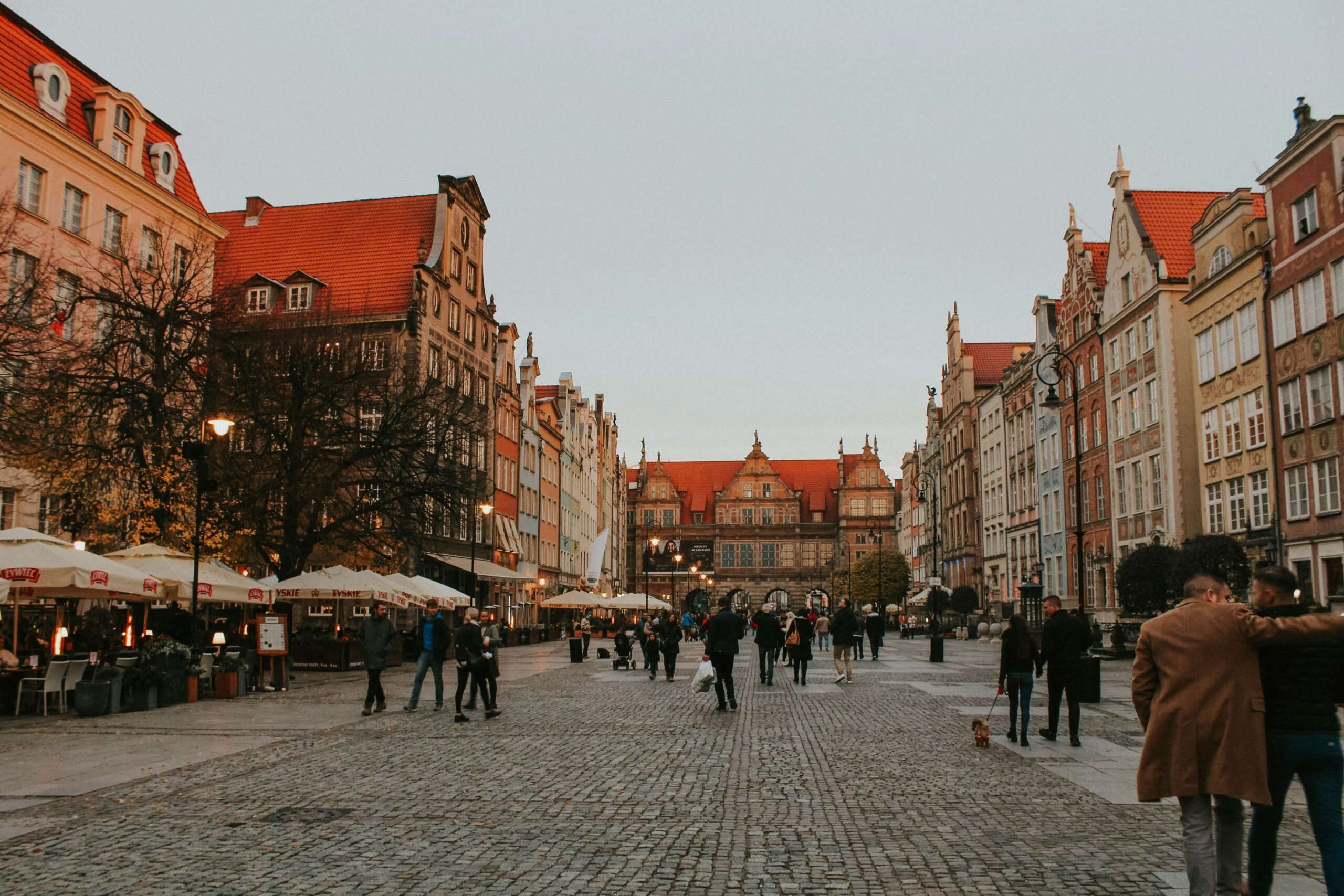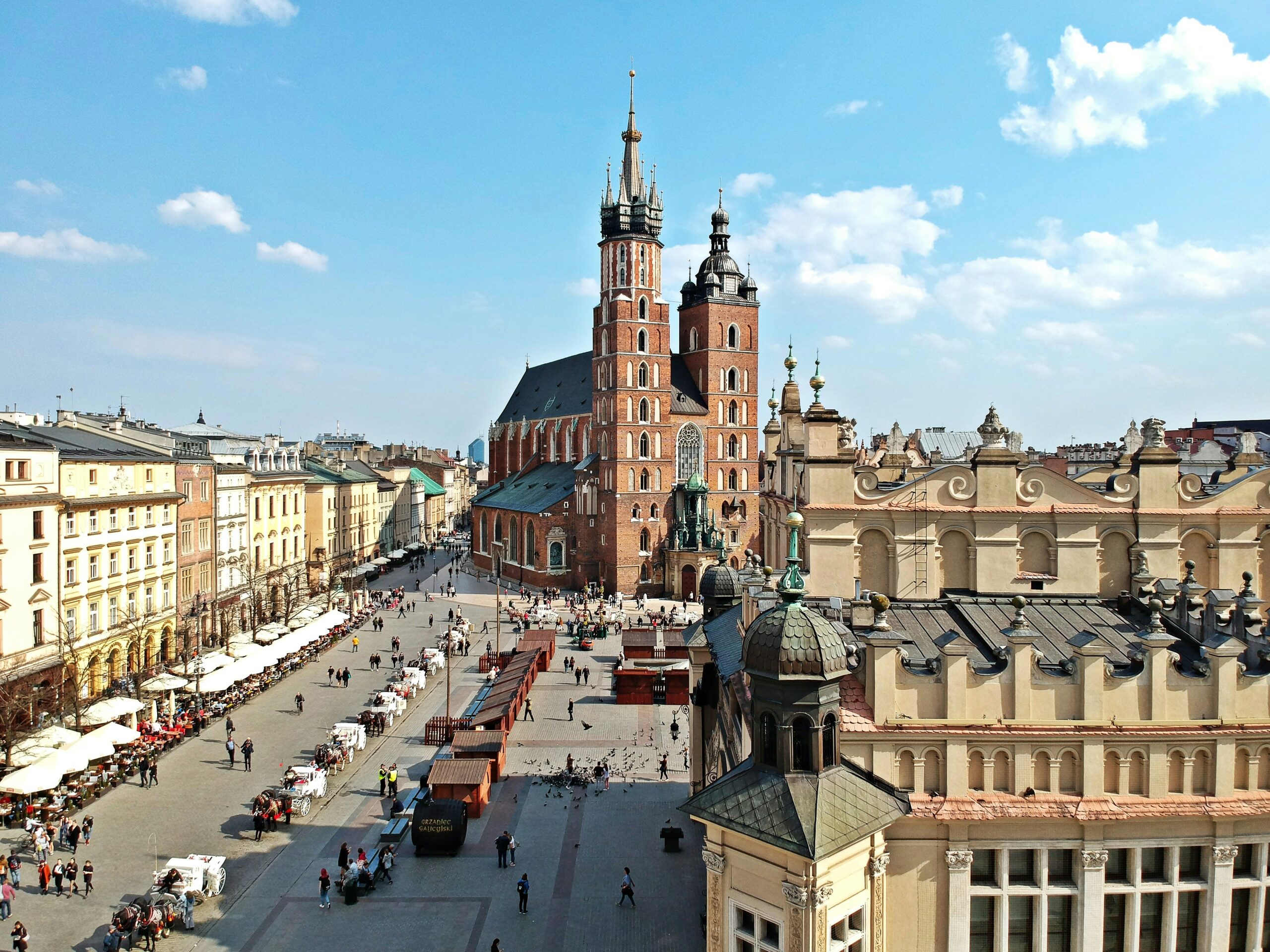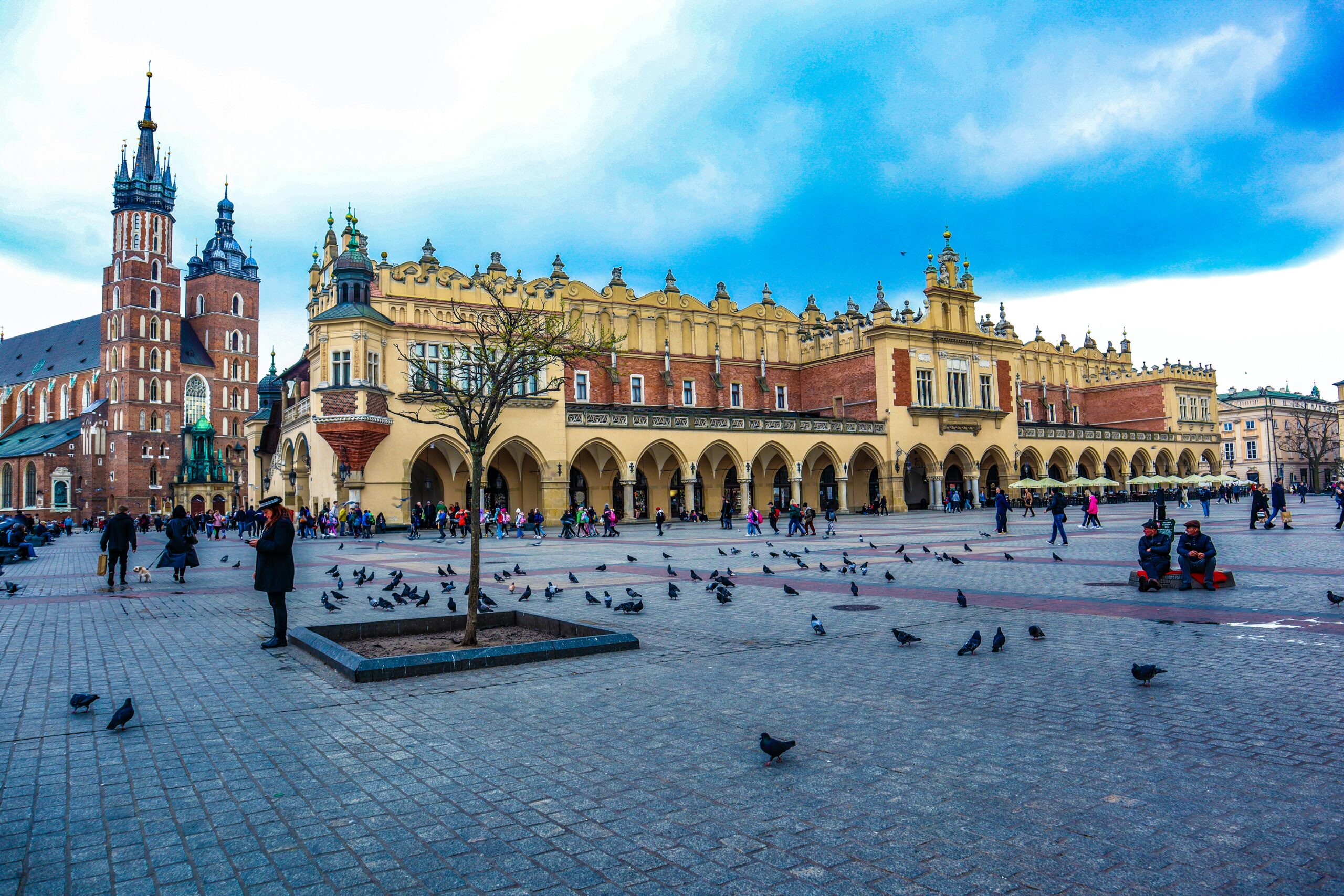
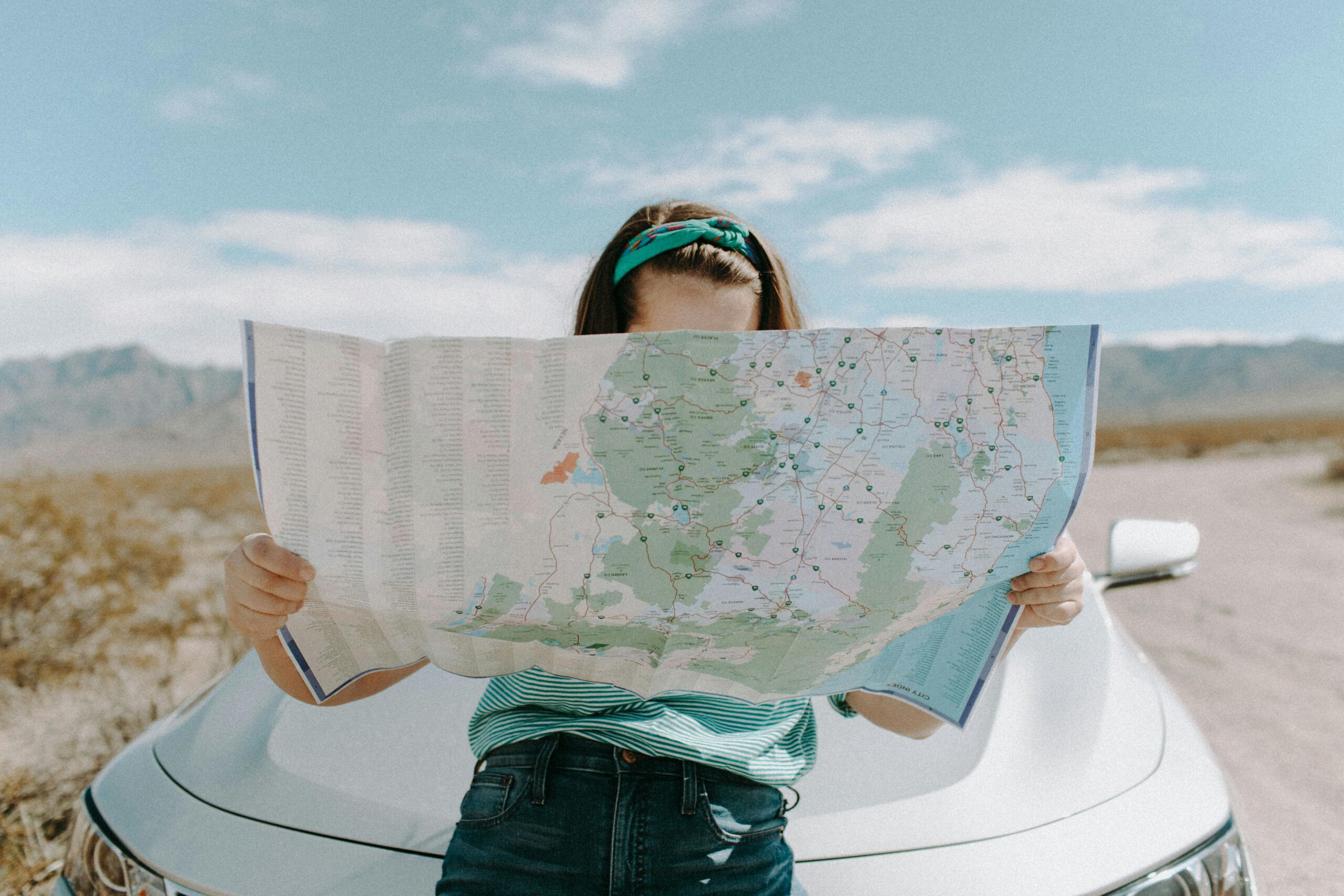
In an era dominated by fast-paced life and instant gratification, the concept of slow travel is emerging as a refreshing change. This travel style encourages people to take their time exploring destinations, immersing themselves in local cultures, and forming deeper connections with the places they visit. In this article, we’ll explore why slow travel is the new way to see the world and how it benefits both travelers and the planet.
1. What is Slow Travel?
Slow travel is a movement that encourages taking a more thoughtful, deliberate approach to travel. Instead of rushing from one tourist attraction to another, slow travel focuses on savoring the experience. It involves spending more time in one place, engaging with local communities, and embracing the journey rather than just the destination. It’s about quality over quantity, fostering meaningful connections with the environment and the people you meet along the way.
2. A Break from Over-Tourism
In recent years, over-tourism has become a major issue for many popular destinations. Overcrowding, environmental degradation, and the displacement of local communities have all been consequences of mass tourism. Slow travel provides an antidote to this problem. By visiting less commercialized areas and spending more time in one place, travelers reduce their impact on heavily visited locations.
This shift helps distribute the flow of tourists more evenly, benefiting smaller towns and off-the-beaten-path destinations that might otherwise miss out on the economic benefits of tourism. Instead of joining the crowds in big cities, slow travelers are exploring hidden gems and supporting local economies in a more sustainable way.
3. Environmental Benefits of Slow Travel
One of the key principles of slow travel is reducing your carbon footprint, and it’s a natural fit for those looking to make their travels more sustainable. By choosing slower forms of transportation, such as trains, buses, or even bicycles, travelers can significantly reduce their impact on the environment compared to flying.
Moreover, slow travel encourages a closer connection with nature. Spending time in nature reserves, hiking in national parks, or cycling through scenic routes fosters a sense of environmental responsibility. This awareness of the natural world often leads to a greater desire to protect and preserve it for future generations.
4. Immersing Yourself in Local Culture
One of the most rewarding aspects of slow travel is the opportunity to immerse yourself in local culture. Instead of simply checking off tourist hotspots, slow travelers engage with the local community in meaningful ways. This might involve:
- Learning local traditions: Attending cooking classes, art workshops, or music lessons to gain a deeper understanding of the area’s heritage.
- Visiting local markets: Shopping for fresh produce or handmade goods gives you a taste of everyday life in the destination.
- Building relationships: Spending time in a village or town allows you to form connections with local people, creating a more personal and enriching experience.
By taking the time to get to know a place and its people, slow travel helps preserve the authenticity of the culture and provides travelers with a richer, more fulfilling experience.
5. Stress-Free and Mindful Travel
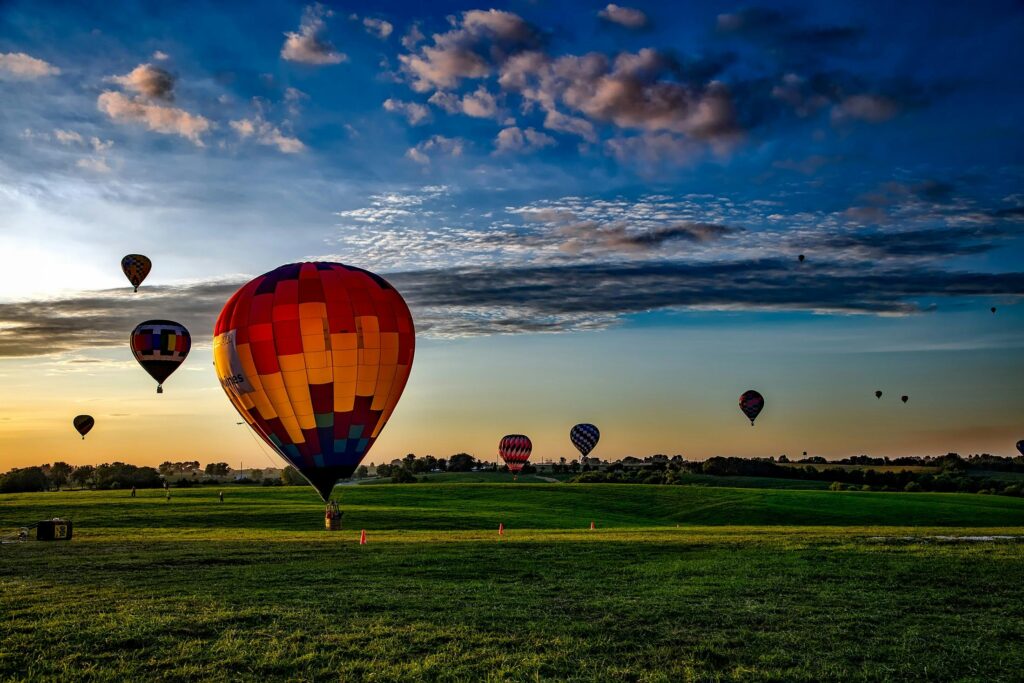
Modern travel often comes with the stress of tight schedules, long airport lines, and the pressure to see as many attractions as possible. Slow travel, however, promotes mindfulness and relaxation. With fewer destinations to visit, travelers can enjoy a slower pace, allowing them to truly appreciate their surroundings and focus on the present moment.
The stress-free nature of slow travel helps foster a sense of well-being and relaxation, offering a much-needed break from the hustle and bustle of daily life. Rather than rushing to snap photos at every landmark, you can take time to reflect, rest, and truly enjoy the journey.
6. A Deeper Connection with Yourself
In addition to providing a deeper connection with places and people, slow travel also fosters a deeper connection with oneself. Spending extended time in a new environment without the distractions of modern life allows for moments of self-reflection and growth. Whether you’re traveling solo or with a small group, the slower pace offers the opportunity to reconnect with your values, passions, and sense of purpose.
Traveling in this way can be transformative, allowing for a sense of clarity and peace that is often hard to find in the chaos of everyday life.
7. Health and Wellness Benefits
Slow travel has numerous health and wellness benefits. Taking your time allows you to engage in physical activities such as walking, cycling, or hiking, which can improve your physical fitness. Additionally, the slower pace gives you the chance to unwind, reducing stress levels and promoting mental health.
Moreover, many destinations that attract slow travelers are known for their wellness offerings, such as meditation retreats, spa resorts, or natural hot springs. By prioritizing well-being, slow travelers often return home feeling rejuvenated and more balanced.
8. How to Embrace Slow Travel
If you’re interested in experiencing slow travel, here are some tips to help you get started:
- Choose a slower mode of transportation: Trains, buses, or even boats can offer a more scenic and eco-friendly way to travel than flying.
- Stay longer in one destination: Instead of hopping from city to city, plan to spend several days or even weeks in one place to really get to know it.
- Support local businesses: Seek out locally-owned accommodations, restaurants, and shops to contribute to the local economy.
- Be flexible: Slow travel is about going with the flow. Avoid rigid itineraries and be open to spontaneous adventures.
- Focus on experiences: Look for opportunities to engage with the local culture through activities like cooking classes, farm visits, or volunteering.
Conclusion
As the world increasingly moves towards sustainability, slow travel is becoming the new way to explore the globe. This travel style allows for a more meaningful, relaxed, and environmentally responsible approach to seeing the world. By immersing yourself in local cultures, reducing your carbon footprint, and embracing a more mindful pace, slow travel offers an opportunity for a richer, more fulfilling journey. Whether you’re looking for peace, adventure, or connection, slow travel may be exactly what you need.