
When it comes to cooking, timing really is everything. Using fresh, in-season produce not only boosts flavor but also supports your health and local farmers. Seasonal cooking helps reduce your carbon footprint while keeping meals exciting and wallet-friendly. I’ve learned over the years that syncing recipes with nature’s calendar turns everyday meals into something special. So, let’s talk about how to really make the most of what each season serves up.
Why Is Seasonal Cooking a Game-Changer for Food Lovers?
Seasonal cooking means cooking with ingredients that are harvested at their natural peak. The short answer? It tastes better, costs less, and is better for you. When fruits and veggies are in season, they’re fresher, more flavorful, and packed with nutrients.
Buying in-season produce often means shopping local, which keeps costs down and freshness up. You’re also cutting back on the food miles your dinner traveled to get to your plate. From juicy summer tomatoes to hearty winter squash, seasonal eating offers variety that keeps meals interesting year-round.
And let’s be real, nothing beats the flavor of a sun-ripened peach in July or fresh-picked asparagus in spring. Plus, your cooking gets a natural rotation — no boredom, just fresh ideas every few months.
Finally, it’s also a great way to turn cooking into a hobby. Following nature’s rhythm helps you experiment, plan better meals, and even get into gardening or visiting farmers’ markets regularly.
How Do You Know What’s in Season and When?
The best way to know what’s in season is to check regional produce calendars or talk to your local farmers. Every region has its own harvest rhythm.
- Spring: asparagus, spinach, strawberries
- Summer: tomatoes, cucumbers, zucchini, peaches
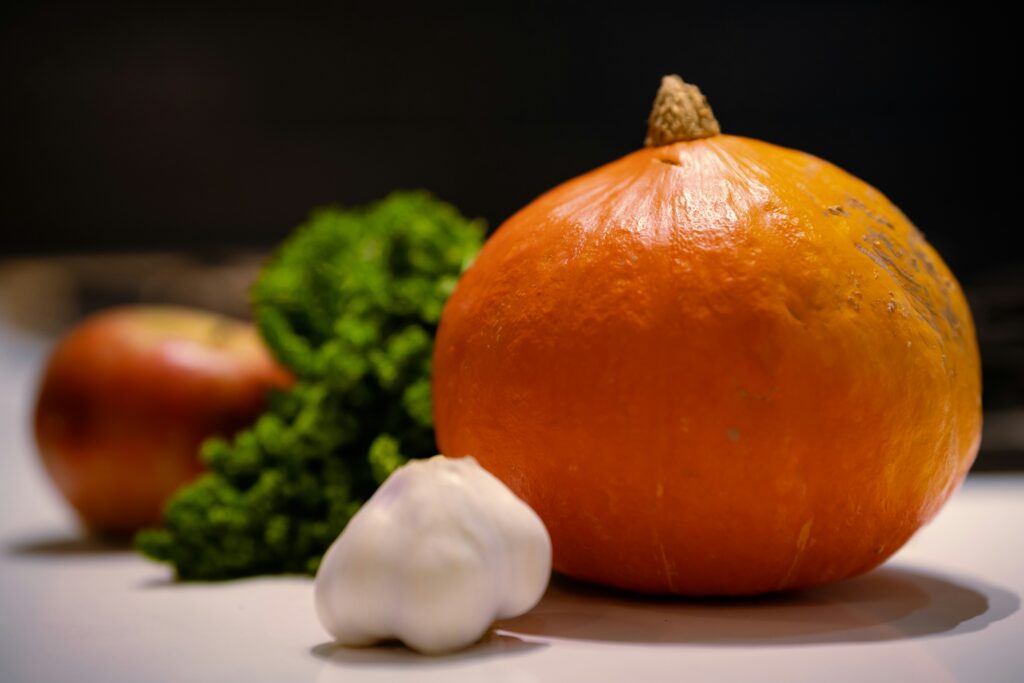
- Fall: apples, sweet potatoes, beets, pumpkins
- Winter: kale, citrus, carrots, parsnips
You can also use seasonal produce apps like “Seasonal Food Guide” to get alerts on what’s peaking in your area. Grocery stores sometimes label items as “local” or “in season” — and that’s a solid clue, too.
And don’t forget farmers’ markets. They’re not just for Instagram pics. Chatting with growers gives you first-hand News on what’s just been picked and what’s coming next.
Personally, I like creating a monthly “seasonal hit list” on my fridge. It helps me meal-plan and sparks new recipe ideas.
What Are Some Easy Seasonal Recipes for Each Season?
Start simple: you don’t need to be a pro chef to enjoy seasonal meals. Quick salads, roasted veggies, and fruit desserts are perfect starting points.
Spring
- Asparagus frittata with fresh herbs
- Strawberry spinach salad with balsamic glaze
- Pea and mint risotto
- Lemon and herb roasted chicken
Summer
- Caprese salad with heirloom tomatoes
- Grilled peach and burrata toast
- Zucchini noodles with pesto
- Sweet corn and avocado salsa
Fall
- Butternut squash soup with sage
- Apple cinnamon oatmeal
- Roasted beet and goat cheese salad
- Pumpkin curry with chickpeas
Winter
- Citrus and fennel salad
- Carrot ginger soup
- Roasted root vegetable medley
- Kale and white bean stew
I once made a beet risotto in late October that completely changed my view of fall cooking — earthy, vibrant, and totally unexpected.
Winter
- Citrus and fennel salad
- Carrot ginger soup
- Roasted root vegetable medley
- Kale and white bean stew
How Can You Store Fresh Produce Without Losing Flavor?
The trick to storage is knowing which fruits and veggies like the fridge, and which ones don’t. Proper storage keeps food fresher longer and avoids waste.
- Refrigerate: leafy greens, berries, broccoli, carrots
- Keep on the counter: tomatoes, avocados, bananas, citrus
- Cool, dark place: onions, garlic, potatoes
I keep my herbs fresh by standing them in a glass of water like flowers, then loosely covering them with a plastic bag. Game-changer.
For freezer-friendly produce, blanching before freezing helps preserve texture and nutrients. This works well for green beans, corn, or spinach.
And always wash right before eating, not before storing — moisture is the enemy of shelf life.
Can Seasonal Cooking Be a Fun Hobby or Even a Social Activity?
Absolutely! Seasonal cooking naturally becomes a hobby when you start planning meals around what’s fresh. It connects you to nature, people, and traditions.
You can:
- Host a seasonal potluck where everyone brings a dish based on one ingredient
- Join a CSA (Community Supported Agriculture) box to get surprise veggies weekly
- Organize a garden-to-table dinner with friends
- Start a cooking club focused on monthly harvest themes
Seasonal cooking also makes a great family activity — from market trips to chopping and cooking together. Plus, it’s a sneaky way to get kids excited about fruits and veggies.
FAQ: Your Seasonal Cooking Questions Answered
Is seasonal produce always organic?
Not always. “Seasonal” means the time of year it naturally grows best, while “organic” refers to farming methods. You can find both, though!
What’s the best way to start seasonal cooking?
Start by picking one seasonal item per week and building a meal around it. Then expand your seasonal skills gradually.
Is this more expensive?
Actually, in-season produce is usually cheaper and fresher because it’s locally abundant. It’s a win-win.
How do I know what to cook with an unfamiliar veggie?
Try roasting it! Most veggies taste great roasted with olive oil, salt, and pepper. Also, use recipe apps for quick inspo.
What if I miss the season for something I love?
Freeze or preserve it! Berries, tomatoes, and herbs freeze beautifully. You can enjoy your faves even off-season.