
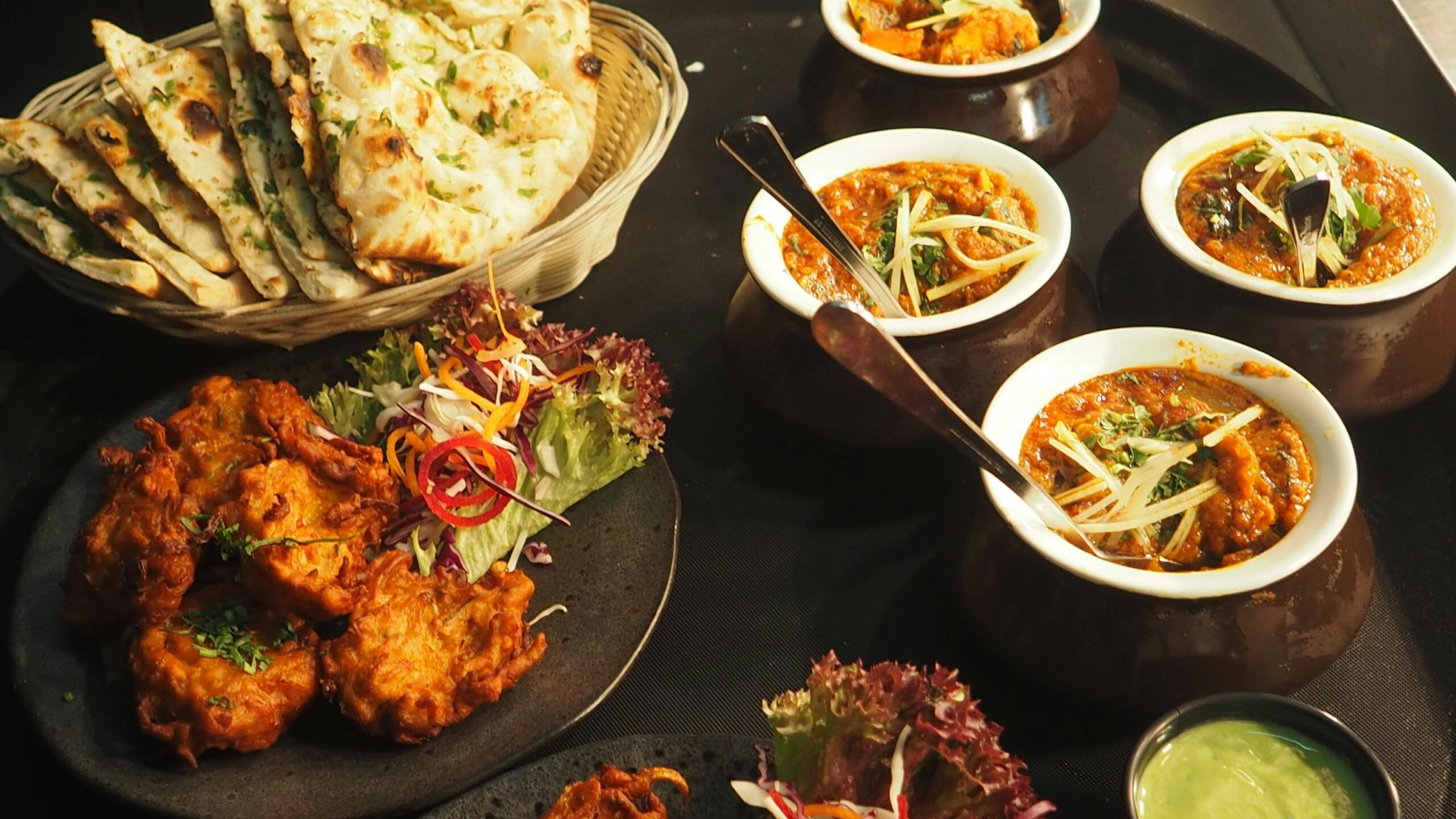
Food is not just something we eat; it’s a cultural experience that connects us to history, tradition, and the stories of the people who created it. Some dishes have transcended borders, becoming iconic representations of their countries and cultures. These iconic dishes are more than just recipes—they carry with them centuries of history, transformation, and stories of how different regions adapted their local ingredients and techniques. Let’s explore the history behind some of the world’s most iconic dishes.
1. Pizza – Italy’s Gift to the World
No list of iconic dishes would be complete without the mention of pizza, Italy’s most famous culinary export. While the concept of flatbreads topped with various ingredients can be traced back to ancient civilizations like the Egyptians and Greeks, the modern pizza as we know it today originated in Naples during the late 18th century.
The most famous variety, Pizza Margherita, was created in 1889 to honor Queen Margherita of Savoy. The pizza’s ingredients—tomato, mozzarella, and basil—were chosen to represent the colors of the Italian flag. Since then, pizza has evolved into countless variations, making it one of the most beloved dishes worldwide.
2. Sushi – Japan’s Culinary Art
Sushi is synonymous with Japanese cuisine, but its history dates back to the 8th century. Originally, sushi referred to a preservation method for fish, where it was fermented in rice to allow the fish to be stored for longer periods. Over time, the practice evolved, and by the Edo period (1603-1868), nigiri sushi, which is fish on top of vinegared rice, emerged.
In the 19th century, the dish became more refined and accessible, especially in Tokyo, where it transformed into a fast-food dish enjoyed by all classes. Today, sushi is a global sensation, with variations ranging from traditional sashimi to modern fusion rolls.
3. Tacos – Mexico’s Culinary Staple
Tacos are perhaps the most famous Mexican dish, and their roots go deep into the history of the country. The word “taco” itself is believed to have originated from the Nahuatl language, spoken by the Aztecs. Early versions of tacos were simply corn tortillas wrapped around fillings like beans, fish, or meat.
However, it wasn’t until the arrival of the Spanish conquistadors in the 16th century that ingredients like beef, pork, and cheese were incorporated into the taco. By the 20th century, tacos began to take on various forms, including tacos al pastor and fish tacos, which have become internationally recognized.
4. Paella – A Symbol of Spanish Cuisine
Paella is one of Spain’s most iconic dishes, originating in the region of Valencia. The dish is a perfect example of regional culinary evolution. Its roots trace back to the 15th century when rice was introduced to Spain from North Africa. The original paella was likely a humble dish made by farm workers using rice, vegetables, and whatever protein they could find, often rabbit or chicken.
In the 19th century, seafood paella emerged as a popular variation along Spain’s Mediterranean coast. Today, paella has become a symbol of Spanish culinary tradition, enjoyed in various forms throughout the country and worldwide, often served with saffron, seafood, and meats like chicken or rabbit.

5. Curry – The Spice of India
Curry is an essential dish in Indian cuisine, and while the exact origins of curry are difficult to pinpoint, it has existed for thousands of years. The word “curry” is believed to have derived from the Tamil word “kari,” meaning sauce or gravy. Ancient Indian recipes included a variety of spices, such as turmeric, cumin, and coriander, which were used to create rich, flavorful dishes.
The British colonial period in the 18th century played a pivotal role in popularizing curry in the West. Indian restaurants, particularly in the UK, started serving chicken tikka masala and other curry dishes, cementing curry’s place in international cuisine. Today, curry is enjoyed globally, from Thailand to Japan, each region putting its own unique spin on this beloved dish.
6. Burgers – A Classic American Icon
The hamburger is synonymous with American fast food, but its origins can be traced back to 19th-century Germany. The dish is thought to have been inspired by the Hamburg steak, a minced beef patty served with bread. Immigrants brought this dish to the U.S. in the 19th century, and by the early 20th century, it evolved into the iconic hamburger that we know today—served in a bun with a variety of toppings.
Although the hamburger is closely associated with America, its popularity spread worldwide, and it has become a fast-food staple in nearly every country. Variations of the burger can now be found in countless forms, from gourmet versions with exotic toppings to plant-based alternatives.
7. Peking Duck – A Taste of China
Peking duck is a celebrated dish in Chinese cuisine, dating back to the Imperial era during the Ming Dynasty (1368-1644). The dish is famous for its crispy skin and tender meat, which is traditionally served with thin pancakes, hoisin sauce, and fresh vegetables.
The preparation of Peking duck is an art form in itself. The duck is carefully seasoned, air-dried, and roasted until the skin becomes crisp and golden. The dish became popular in Beijing and is often served during special occasions, such as banquets and festive gatherings. Today, Peking duck is served in Chinese restaurants around the world, delighting food lovers with its complex flavors and textures.
8. Fish and Chips – A British Tradition
One of the most iconic dishes of the UK, fish and chips has been a staple of British cuisine for centuries. The dish originated in the 19th century, with fish being fried in a batter and paired with thick-cut fries, or “chips” as they’re called in the UK. The combination of fried fish and potatoes became popular in working-class communities in London and other cities, providing a hearty, affordable meal.
The dish gained even more popularity during World War II when it became a comfort food for many. Today, fish and chips are enjoyed in takeaway shops across the UK, and it remains a beloved comfort food for people of all ages.
Conclusion
From the humble beginnings of street food to fine dining staples, iconic dishes have evolved to reflect the rich history, culture, and creativity of the people who created them. Each dish tells a story—a story of geography, trade, migration, and innovation. Whether you’re enjoying a pizza in Italy, sushi in Japan, or a taco in Mexico, you’re tasting a piece of history that continues to shape the way we experience food today.