
Poland is a country steeped in history, where every stone seems to whisper stories of the past. While cities like Kraków and Warsaw are well-known for their historic charm, many lesser-known sites across the country offer equally captivating experiences for those seeking something off the beaten path.
1. Zamość
Nestled in southeastern Poland, Zamość is often referred to as the “Pearl of the Renaissance“. Designed in the late 16th century by the Italian architect Bernardo Morando, this meticulously planned city combines Italian Renaissance ideals with Central European traditions. The Old Town, a UNESCO World Heritage Site, boasts harmonious architecture, pastel-colored tenement houses, and a stunning central market square. Visitors can wander through well-preserved arcades, admire the majestic Town Hall, and explore the historic Armenian houses, each telling its own story of cultural convergence.
Benefits of visiting Zamość:
- A compact, walkable layout perfect for casual exploration
- A rare and authentic example of urban Renaissance planning
- A peaceful, uncrowded atmosphere ideal for history lovers
2. Tykocin
Tykocin, a small town in northeastern Poland, offers a profound glimpse into the country’s rich Jewish past. Once a significant center of Jewish life, Tykocin is home to one of the oldest surviving synagogues in Poland, built in the mid-17th century. The synagogue, now a museum, houses a collection of religious artifacts and historical exhibits that bring centuries of Jewish tradition to life. The town’s cobbled streets, baroque church, and serene riverside location add to its timeless character, offering a tranquil setting for reflection and exploration.
Why Tykocin is worth a visit:
- Insight into lesser-known aspects of Polish-Jewish heritage
- Authentic small-town charm with historic architecture
- A quiet, reflective environment with cultural depth
3. Kłodzko
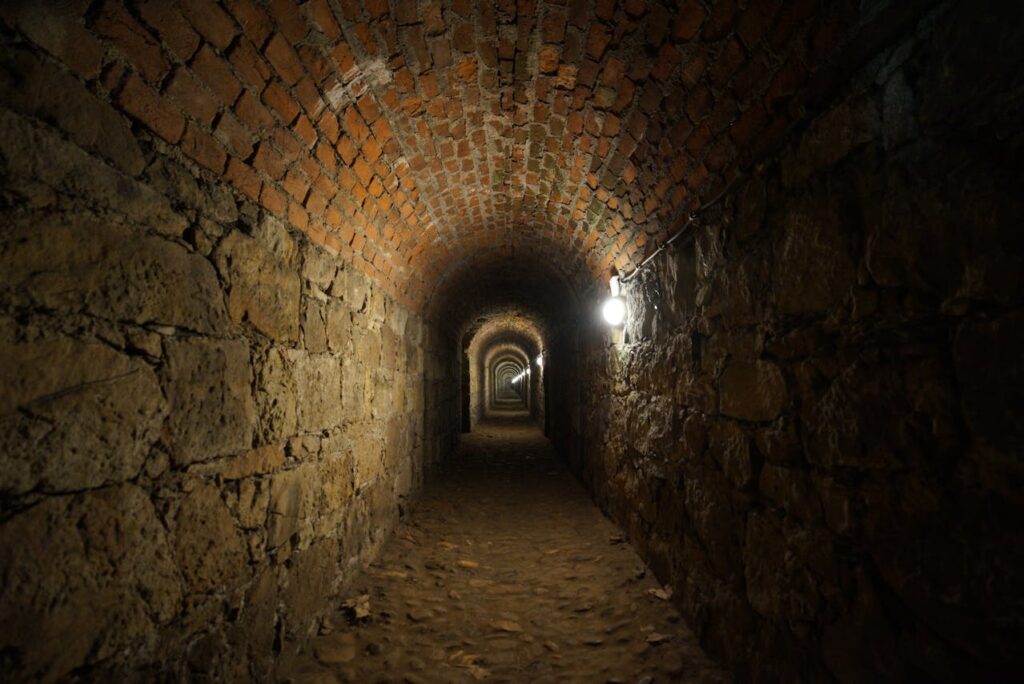
Located in a picturesque valley near the Czech border, Kłodzko is an overlooked gem with deep historical roots dating back to the 10th century. Its crowning jewel is the Kłodzko Fortress, a vast military complex that once protected the region from various invasions. Visitors can tour underground tunnels, climb ramparts for panoramic views, and delve into the fort’s complex defensive architecture. The town itself features charming bridges, including a Gothic stone bridge often likened to Prague’s Charles Bridge, and a well-preserved medieval old town.
Highlights of a trip to Kłodzko:
- Immersive historical experience at a massive military fortress
- Spectacular views of the Sudetes from fortress walls
- Unique blend of Gothic, Baroque, and medieval architecture
4. Łańcut
The Łańcut Castle, located in southeastern Poland, is one of the most beautiful aristocratic residences in Central Europe. Originally built in the 17th century, the palace was remodeled into a grand baroque and neoclassical estate by successive noble families. It houses lavish interiors, a remarkable carriage museum, and expansive gardens that evoke the grandeur of European nobility. Beyond the castle, the town of Łańcut itself maintains a serene elegance, with historic churches and synagogues further enriching the cultural landscape.
Reasons to explore Łańcut:
- One of the best-preserved noble estates in Poland
- A diverse collection of artistic, architectural, and historical exhibits
- Serene surroundings that blend aristocratic heritage with religious tradition
5. Chełmno
Chełmno, located in northern Poland, is a medieval town known for its remarkably preserved Gothic architecture and romantic legacy. Often dubbed the “City of Lovers” due to its association with St. Valentine, Chełmno exudes an old-world charm with its well-maintained defensive walls, watchtowers, and the 13th-century town hall. Churches filled with original altars and murals speak to the town’s long religious tradition, while scenic views of the Vistula River offer a peaceful escape. Despite its small size, Chełmno holds an outsized place in Poland’s architectural and cultural history.
What makes Chełmno special:
- Romantic atmosphere rooted in local legends and traditions
- Exceptionally preserved medieval city layout
- Peaceful river views and intimate, crowd-free exploration
Conclusion
Beyond Poland’s famous tourist destinations lie places of profound historical significance and enchanting beauty. These hidden gems invite travelers to explore stories less told, architecture less photographed, and traditions deeply rooted in the Polish spirit. Whether it’s a Renaissance city crafted by visionaries, a fortress guarding forgotten borders, or a romantic town shaped by centuries, each destination offers a unique perspective on the nation’s multifaceted past. For those seeking meaningful travel infused with history and authenticity, these lesser-known locales are more than worth the journey.