

If you’ve ever felt the urge to explore but held back because of crowds, high prices, or long waits, let me tell you this: off-season travel might just be your golden ticket. It’s not just about saving money (though that’s a nice perk); it’s about seeing places in a different light, connecting with locals on a deeper level, and discovering experiences that peak-season tourists often miss. I’ve traveled in all seasons, and some of my most unforgettable moments happened when the rest of the world was staying home. So, why is off-season travel often the best experience?
Why Is Off-Season Travel a Hidden Gem for Adventurers?
Off-season travel offers lower prices, fewer crowds, and richer experiences. It’s the perfect time to embrace spontaneity without sacrificing comfort.
Ever walked into a cozy mountain café and had the place to yourself? That’s the magic of the off-season. Flights and accommodations are usually cheaper, and you’re more likely to snag last-minute deals that are unheard of in peak months.
More importantly, you get space—literal and emotional. Tourist hotspots feel less rushed and more authentic. You can linger longer, breathe deeper, and immerse yourself without fighting for photo ops.
Local communities are also more open during these months. With fewer tourists, business owners and locals often take more time to chat, recommend hidden gems, and share personal stories.
What Unique Activities Can You Try in the Off-Season?
One of the best things about off-season travel is trying unusual and crowd-free experiences that might not shine during peak months.
- Snowshoeing in empty alpine trails: A peaceful, snowy adventure that’s impossible during busy ski season.
- Desert stargazing: Places like Arizona or Morocco are quieter in summer, and the night skies are mesmerizing.
- Local cooking classes: In Italy or Thailand, you’ll often be in smaller, more intimate groups during the low season.
Many destinations offer seasonal festivals that only locals attend. These aren’t polished for tourists—but that’s the charm. You get a front-row seat to culture, traditions, and authentic cuisine.
How Does Off-Season Travel Save You Money?
In short: lower demand = lower prices. You can often slash your budget in half without compromising on comfort.
Flights and accommodations can drop by 30-50% during the off-season. Even upscale hotels are suddenly within reach. I once stayed in a boutique Parisian hotel for half the usual rate—free breakfast included.
You’ll also find better deals on tours and attractions. Many operators offer discounts to keep business going, and you can often negotiate on the spot.
Dining out is more affordable too. With fewer patrons, restaurants often roll out locals-only menus or special deals, giving you a taste of everyday life without the tourist markup.
What Are the Downsides—And How Can You Beat Them?
The truth? Off-season travel isn’t always sunny. But with some planning, it’s still incredibly rewarding.
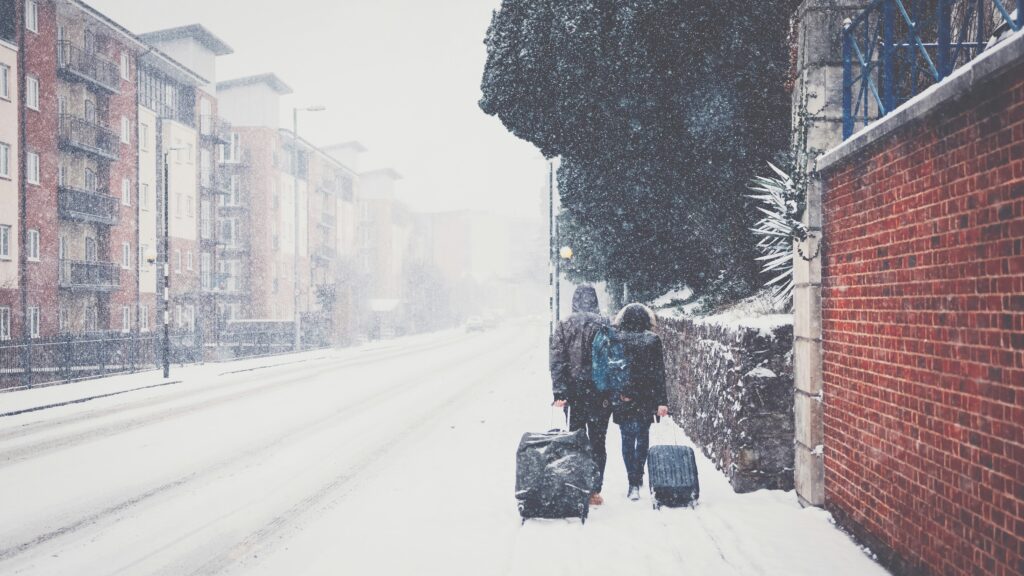
- Weather can be unpredictable. Bring layers and check forecasts frequently.
- Some attractions might be closed. But that just means you can discover hidden alternatives or take more relaxed detours.
- Transportation schedules may be limited. Plan ahead and stay flexible.
- Towns can feel quieter—great for peace, but maybe not if you crave nightlife.
To make the most of it, I always have a backup plan. I look for cozy cafes, indoor museums, or workshops when the weather turns. Spontaneity becomes part of the charm.
How Can Off-Season Travel Deepen Cultural Connections?
With fewer tourists around, locals have more time and openness to connect. That’s when real travel stories begin.
In a quiet Turkish village, I joined a family for dinner after chatting in a spice shop. It wasn’t part of any tour—it was just me, asking questions and being curious.
Artisans, shopkeepers, and even fellow travelers are more likely to open up. Without the rush, conversations become meaningful, and you often get insights that no guidebook can offer.
Cultural events also feel more genuine. A winter lantern festival in Japan or a fall harvest celebration in Portugal feels less like a performance and more like an invitation.
Those moments create the stories you’ll tell for years—the ones no filter can capture.
FAQ: Off-Season Travel Essentials (Expand)
When is the best off-season to travel?
Depends on the destination! For Europe, it’s typically November–March (excluding Christmas). For tropical areas, shoulder seasons like April–May or September–October are ideal.
Is off-season travel worth it for families?
Yes! Less stress, cheaper costs, and more flexibility make it ideal for family bonding.
What should I pack for off-season adventures?
Layers, waterproof shoes, and an open mind. Weather can change fast, so be ready for anything.
Are attractions open during the off-season?
Many are—though some have shorter hours. Always check ahead, and have backup activities just in case.
Ready to plan your off-season escape?
Let’s ditch the crowds and discover something real. Explore more travel guides and start planning your next unforgettable trip!