
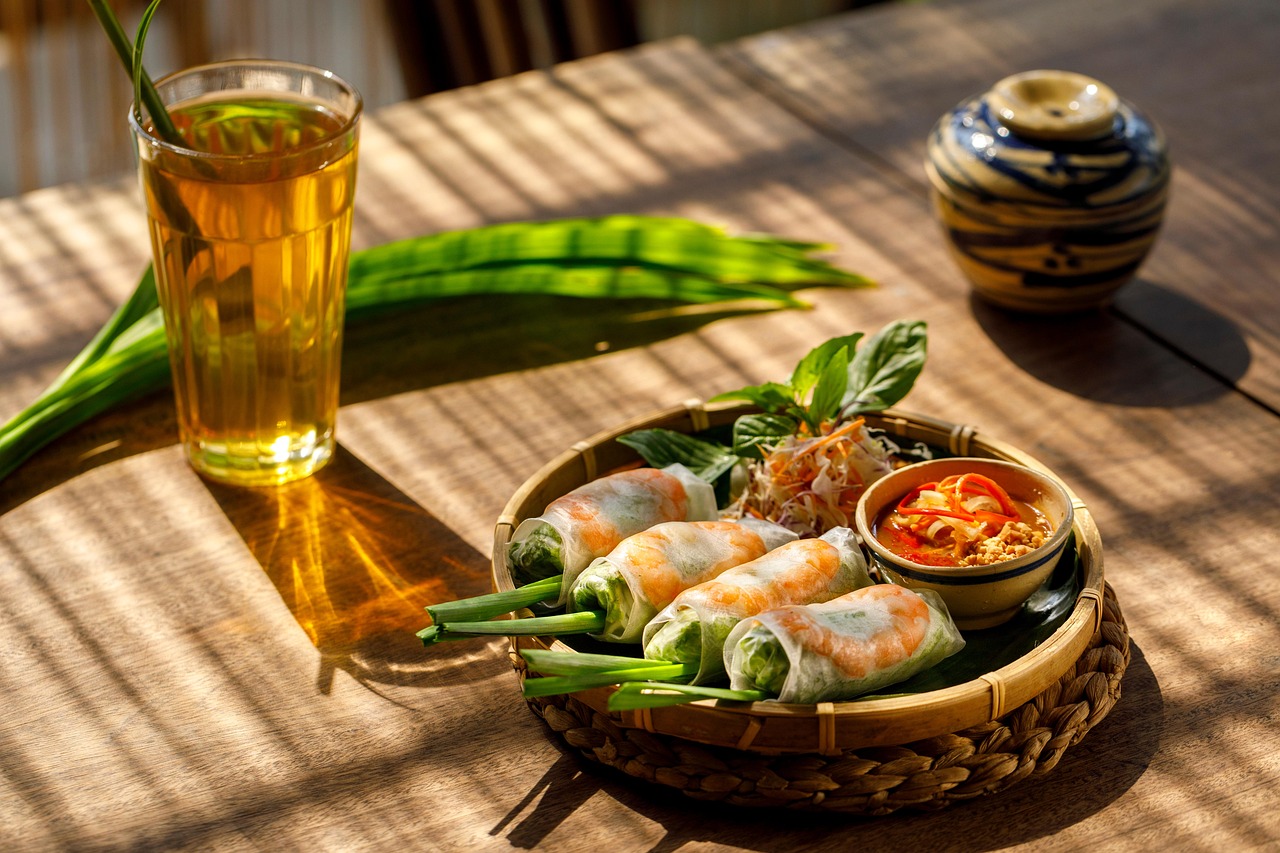
There’s no better way to experience the world than through food. Each bite tells a story — of culture, history, and tradition — without needing a passport. When I travel, local dishes are my first stop, my map, and sometimes, the highlight of the whole trip. Even when I’m at home, I find myself cooking recipes from other countries just to relive those moments. Food is a gateway to connection, and honestly, there’s something magical about discovering a new place through its flavors.
How Does Food Help Us Explore the World?
Food helps us explore the world by giving us a taste of different cultures without leaving the table.
When I tried Thai street food for the first time in Bangkok, I learned more about the country than any guidebook could offer. Spices, techniques, and traditions all tell stories about a region’s past and present. It’s not just about what’s on the plate — it’s about who made it, how they serve it, and why it matters to them.
Every dish is shaped by geography, climate, and local ingredients. That’s why you won’t find the same pasta in Rome as you do in Naples, or identical curries in Northern vs. Southern India. Food reflects the people and the land — and that makes it the perfect travel companion.
Even when we’re not physically traveling, cooking international dishes at home brings that experience to life. Trying new recipes is like booking a quick getaway — only with fewer suitcases and more snacks.
What Are Some Must-Try Dishes for Every Food Lover?
Some must-try dishes from around the world include signature meals that are both iconic and deeply rooted in tradition.
Here are a few to put on your culinary bucket list:
- Pho from Vietnam – A fragrant noodle soup with herbs, broth, and rice noodles. Light, comforting, and flavorful.
- Paella from Spain – A saffron-scented rice dish loaded with seafood, chicken, and veggies, often shared with friends.
- Shakshuka from the Middle East – Eggs poached in spicy tomato sauce, perfect for brunch lovers.
- Ravioli from Italy – Homemade pasta filled with cheese or meat, served with rich sauces and centuries of history.
Trying these dishes during your travels — or cooking them at home — adds a meaningful layer to your food journey. It also introduces your palate to new flavor profiles and traditions you might not expect to love.

Why Is Food So Closely Tied to Culture?
Food is a powerful cultural expression because it reflects generations of history, rituals, and identity.
When you sit down for a traditional meal, you’re not just eating — you’re participating in something bigger. Think about how important food is during holidays, family gatherings, and ceremonies. Each dish carries emotional weight and personal stories. That’s why the same food can taste different when made by someone’s grandmother vs. in a restaurant.
Even small details — like eating with hands in Ethiopia or chopsticks in Japan — tell you something about that culture’s values and traditions. It’s about how food is prepared, shared, and respected.
This connection is why culinary tourism is on the rise. Travelers aren’t just sightseeing anymore — they’re going on food tours, taking cooking classes, and eating like locals. It’s an unforgettable way to truly understand a place.
How Can You Turn Your Travels Into a Culinary Adventure?
You can turn your travels into a culinary adventure by being open, curious, and a little bold with your food choices.
Here are some fun and easy ways to start:
- Eat where the locals eat. Skip the tourist traps and ask for neighborhood favorites.
- Try something unfamiliar. Say yes to street food, even if you can’t pronounce it.
- Join a cooking class. Learn how to make local dishes from local chefs — and bring recipes home.
- Visit local markets. You’ll find fresh ingredients, spices, and snacks that supermarkets can’t match.
During one of my travels in Morocco, I shared a meal inside a family’s home. The lamb tagine wasn’t just delicious — it gave me a glimpse into their daily life, traditions, and sense of hospitality. Moments like that are what make food-centered travel so special.
What’s the Best Way to Explore Global Cuisine Without Traveling?
The best way to explore global cuisine without leaving home is to bring the world to your kitchen — literally.
Start with cookbooks or food blogs focused on international recipes. Many offer step-by-step guides and even cultural background, so you’re not just cooking — you’re learning. Pick a region, grab some ingredients, and go from there. Even better, invite friends over and make it a themed night.
YouTube is full of chefs sharing traditional methods from around the globe. Watching someone from Japan prepare sushi or someone from Mexico make tamales brings a new level of appreciation to the process.
- Try international grocery stores for authentic ingredients.
- Follow food creators from different countries on social media.
- Recreate meals from your past travels — a beautiful way to relive memories.
Some of my favorite nights have been spent experimenting in the kitchen with dishes I first discovered overseas. Trust me — it’s not about perfection. It’s about connection, flavor, and fun.
FAQ: Exploring Food and Culture Around the World (Expand)
What is culinary tourism?
Culinary tourism is the act of traveling to explore a region’s food and drink culture. It includes everything from street food tours to high-end dining experiences.
Can I enjoy international food without traveling?
Absolutely! You can cook dishes at home, order from authentic restaurants, or join online cooking classes to explore different cuisines.
How is food related to culture?
Food reflects cultural identity, traditions, and history. It’s deeply tied to how communities celebrate, gather, and express themselves.
What’s one easy dish to start with?
Start with shakshuka — it’s simple, uses basic ingredients, and offers big flavor with minimal effort.
How do I find authentic food while traveling?
Ask locals, avoid the tourist zones, and check out food markets, neighborhood restaurants, and home-cooked meal experiences.